Anti-Bark Collars: What Trainers and Vets Say
Barking Is Communication
Dogs bark because they are bored, anxious, excited, protecting their space, or asking for something. A device that simply stops barking does not address the reason behind it. Many trainers and veterinary behaviorists recommend finding the cause first, since the underlying issue may continue or show up in other ways.
Types of Anti-Bark Collars
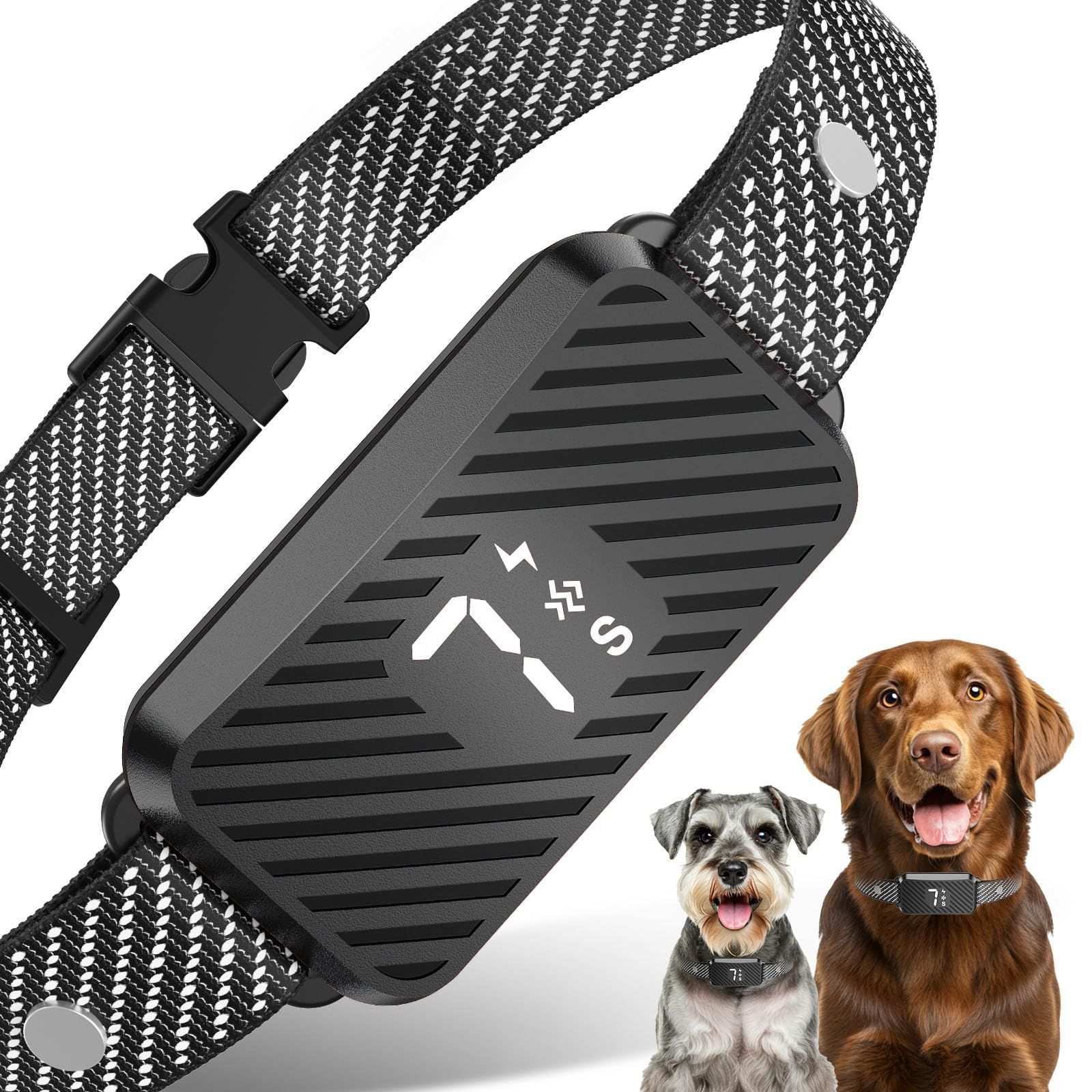
- Vibration collars: a gentle buzz interrupts the barking.
- Sound or ultrasonic collars: emit a tone to distract the dog.
- Spray collars: release a puff of citronella or unscented spray.
- Static or shock collars: deliver a corrective jolt. Many professionals advise against these because of the risk of fear and anxiety.

Concerns to Consider
Punishment-based tools can increase fear, damage trust, and cause new behavior problems. Dogs may not connect the correction with the barking, or may become anxious about the situations where they were corrected. Collars also cannot tell the difference between nuisance barking and a warning about real danger.
Kinder Alternatives
- Provide plenty of exercise and mental stimulation
- Teach a "quiet" cue and reward silence
- Manage triggers by blocking the view from windows
- Address separation anxiety with a professional plan
- Work with a certified trainer for persistent barking
If you do try a gentle device, use it only as a short-term aid alongside training, fit it properly, and stop if your dog seems distressed. Always check with your vet first if barking started suddenly, since pain or cognitive changes can be factors.
Common Barking Mistakes
- Yelling at the dog: it often sounds like you are barking along.
- Rewarding barking by accident: giving attention or treats teaches that barking works.
- Leaving a bored dog alone for hours: boredom drives noisy behavior.
- Using devices without training: tools work best alongside behavior work.
Frequently Asked Questions
Why does my dog bark when I leave?
This may be separation anxiety, which needs gentle training and sometimes veterinary help rather than a collar.
Are vibration collars cruel?
Mild vibration is considered less harsh than shock, but it can still stress some dogs. Use only as directed and stop if your dog seems upset.
How long does it take to reduce barking?
It depends on the cause and consistency, often several weeks of daily practice.
Should I hire a trainer?
If barking is severe, sudden, or linked to fear, a certified trainer or veterinary behaviorist can help.
Quick Takeaways
Find out why your dog barks, meet their needs, and teach a quiet cue. Gentle devices should only be a short-term aid.
Find training aids in our training and behavior collection.
Related Articles