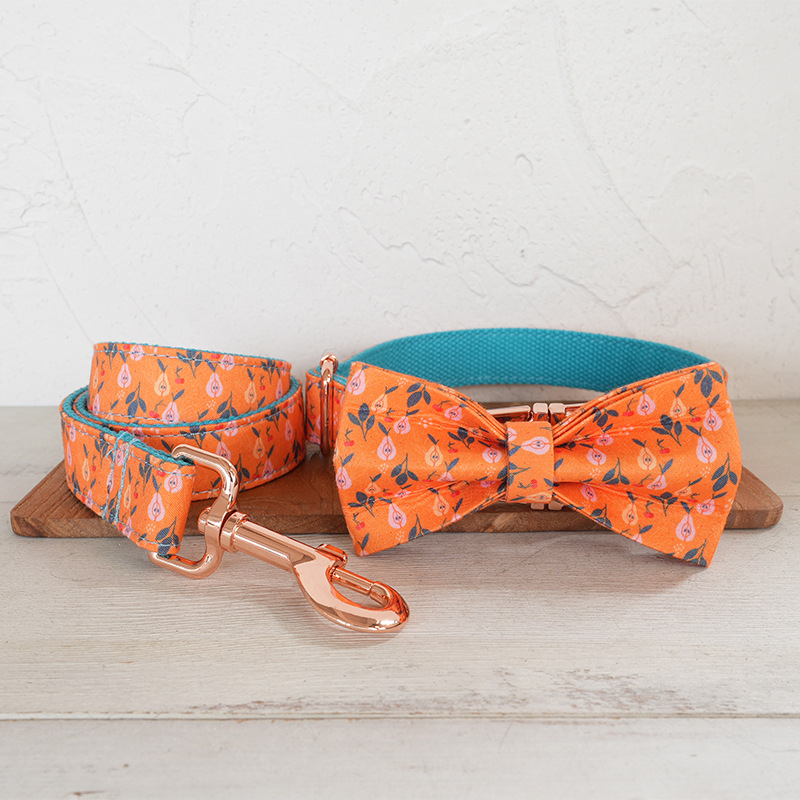
Dog ID Tags and Microchips: What US Owners Need to Know
Why Both Matter
Millions of pets go missing in the United States every year, and many never reunite with their families. A tag lets anyone who finds your dog contact you immediately. A microchip provides permanent identification that cannot fall off or become unreadable, and shelters and vets routinely scan for chips.
What to Put on an ID Tag
- Your dog's name, or leave it off for safety in some situations
- At least one phone number that is answered often
- Your city or a secondary phone number
- A note such as "Needs medication" if applicable

How Microchips Work
A microchip is about the size of a grain of rice and is implanted under the skin between the shoulder blades by a vet. It carries a unique number that links to your contact information in a registry. The chip does not track location; it only works when scanned.
Keep Information Current
A microchip is only useful if the registry has your current details. Register the chip right away, update your phone number and address when you move, and check with the registry once a year. Make sure your dog's tag matches the information on file.
Common Mistakes
- Forgetting to register the chip: an unregistered chip is just a number.
- Using an outdated phone number: update every time you change.
- Assuming a tag is enough: tags can break or fall off.
- Letting the tag become unreadable: replace worn tags.
Frequently Asked Questions
Does a microchip have GPS?
No. For location tracking, you need a separate GPS device.
Does microchipping hurt?
It feels like a routine injection and is usually quick.
What if I adopt a pet with a chip?
Ask the shelter to transfer ownership and update the registry.
Quick Takeaways
Use a tag and a registered microchip. Keep your contact details up to date.
Explore collars in our collars and leashes collection.
Related Articles
Kitten Supplies Checklist: Everything You Need Before Bringing a Kitten Home
Oct 06, 2026
How to Introduce a New Cat to Your Resident Cat: A Slow, Stress-Free Plan
Oct 05, 2026
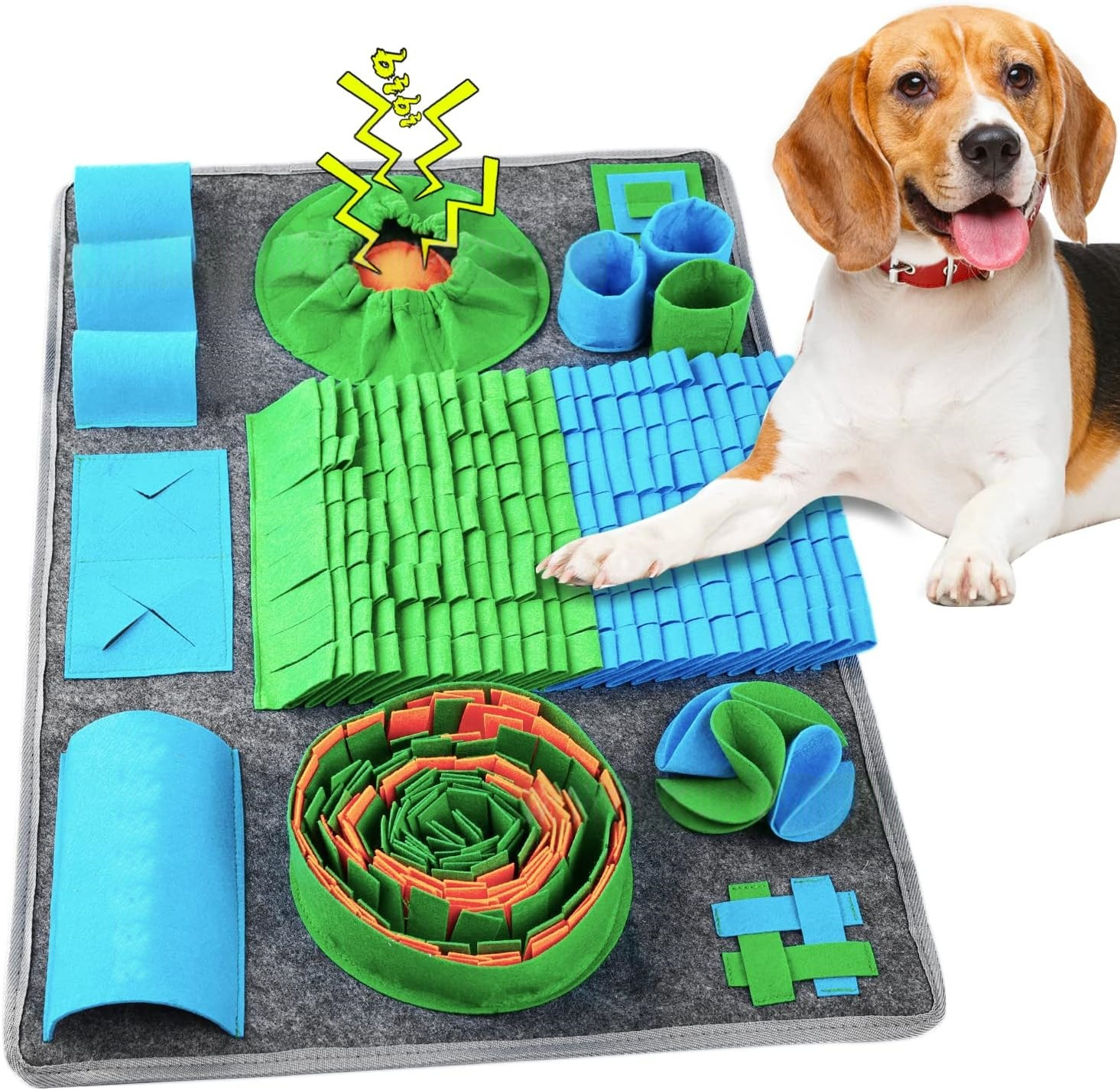
Snuffle Mats for Dogs: What They Are and How to Use One
Oct 05, 2026
Vertical Space for Cats in Small Apartments: Shelves, Hammocks, and Perches
Oct 05, 2026