Dog Knee Braces: When They Help and When to See the Vet
Common Knee Problems in Dogs
The cranial cruciate ligament, similar to the human ACL, is one of the most commonly injured parts of a dog's body. Signs include limping, stiffness after rest, difficulty standing, and sitting with a leg held out to the side. Kneecap problems and arthritis can cause similar symptoms, so a proper diagnosis is essential.
What a Knee Brace Does
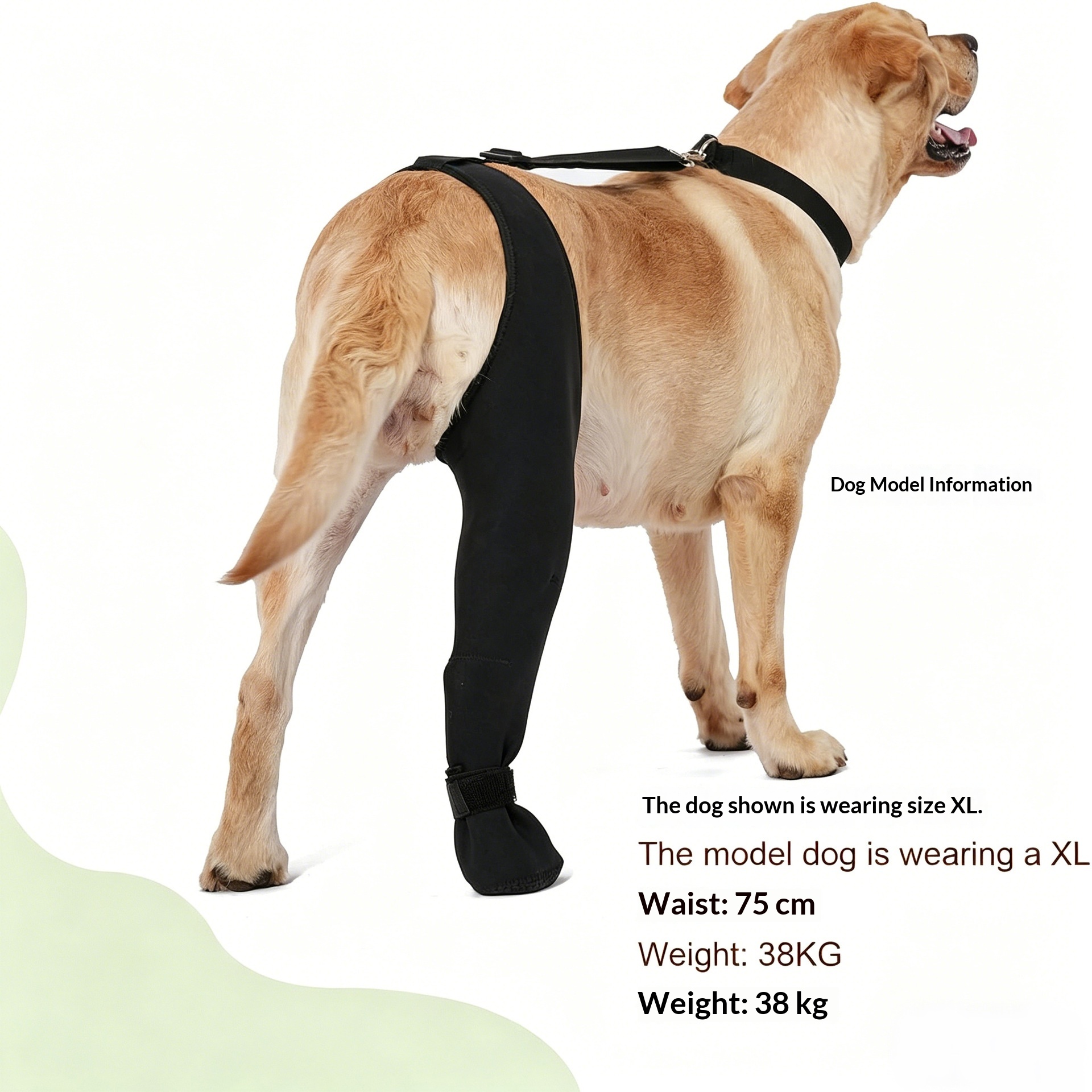
A knee brace provides external support and helps stabilize the joint during movement. It may be used in some cases as part of conservative management, during recovery, or when surgery is not an option. It is not a cure, and effectiveness varies depending on the injury.

Why Vet Guidance Comes First
- Limping can have many causes, including fractures and tumors
- Incorrect support may worsen some injuries
- Your vet can recommend rest, medication, physical therapy, or surgery
- Braces must fit correctly to avoid sores and restricted circulation
If Your Vet Recommends a Brace
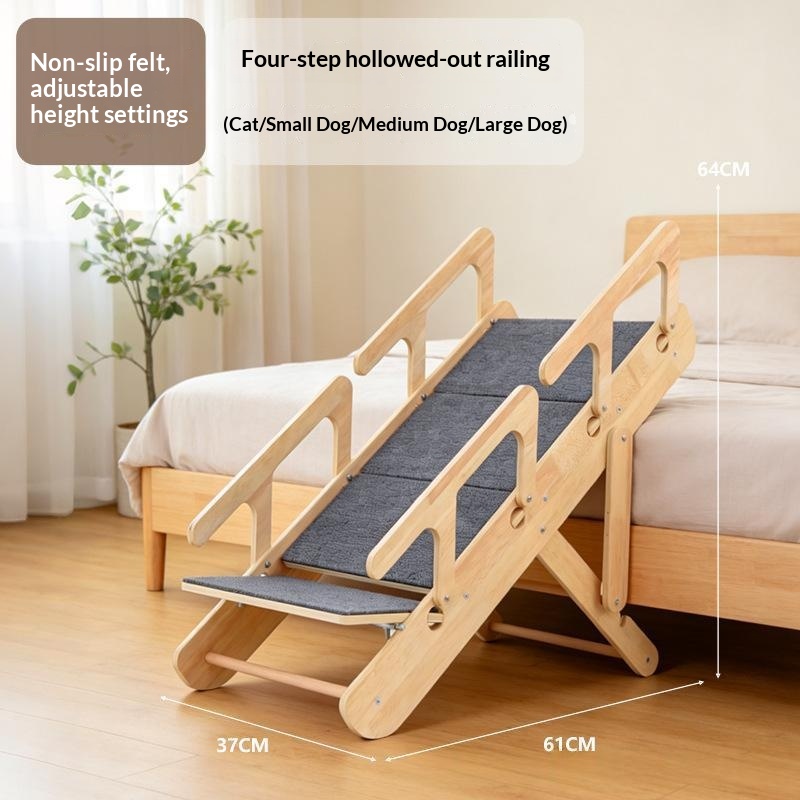
Measure your dog's leg carefully following the size chart, and introduce the brace gradually, starting with short periods. Check the skin daily for redness or rubbing, keep the brace clean and dry, and follow your vet's schedule for wear time. Combine bracing with weight control, controlled exercise, and non-slip flooring to protect the joint.
Never ignore ongoing limping. Early treatment gives dogs the best chance at a comfortable, active life.
Common Brace Mistakes
- Self-diagnosing: limping can be caused by many conditions.
- Wearing it too long at once: introduce gradually and give the skin breaks.
- Ignoring weight management: extra weight strains the joints.
- Letting the brace get dirty: moisture can cause skin infections.
Frequently Asked Questions
Can a brace replace surgery?
For some dogs, bracing and rehabilitation are options, especially when surgery is risky. Your vet will recommend the best path.
How do I know if the brace fits?
It should be snug without sliding or pinching, with room for normal skin movement. Re-check the fit regularly.
Will my dog accept wearing it?
Most dogs adapt with treats and short sessions. Praise and patience help.
What else can support recovery?
Controlled leash walks, physical therapy, joint supplements approved by your vet, and non-slip flooring.
Quick Takeaways
A brace can be one piece of a recovery plan. Always begin with a vet exam, and monitor the fit and the skin.
Browse support products in our support and mobility collection.
Related Articles