Dog Muzzles Explained: Types, Fit, and Positive Training
A Safety Tool, Not a Punishment
Muzzles are often misunderstood. Used properly, they keep dogs and people safe during stressful situations such as vet exams, grooming, and rehabilitation. Some dogs wear them to prevent scavenging, or when working through reactivity with a trainer. A well-fitted muzzle with good training is humane and effective.
Common Muzzle Types
- Basket muzzles: allow panting, drinking, and treat-taking, so they are best for longer wear.
- Soft fabric muzzles: hold the mouth closed, so they are for short-term use only such as grooming.
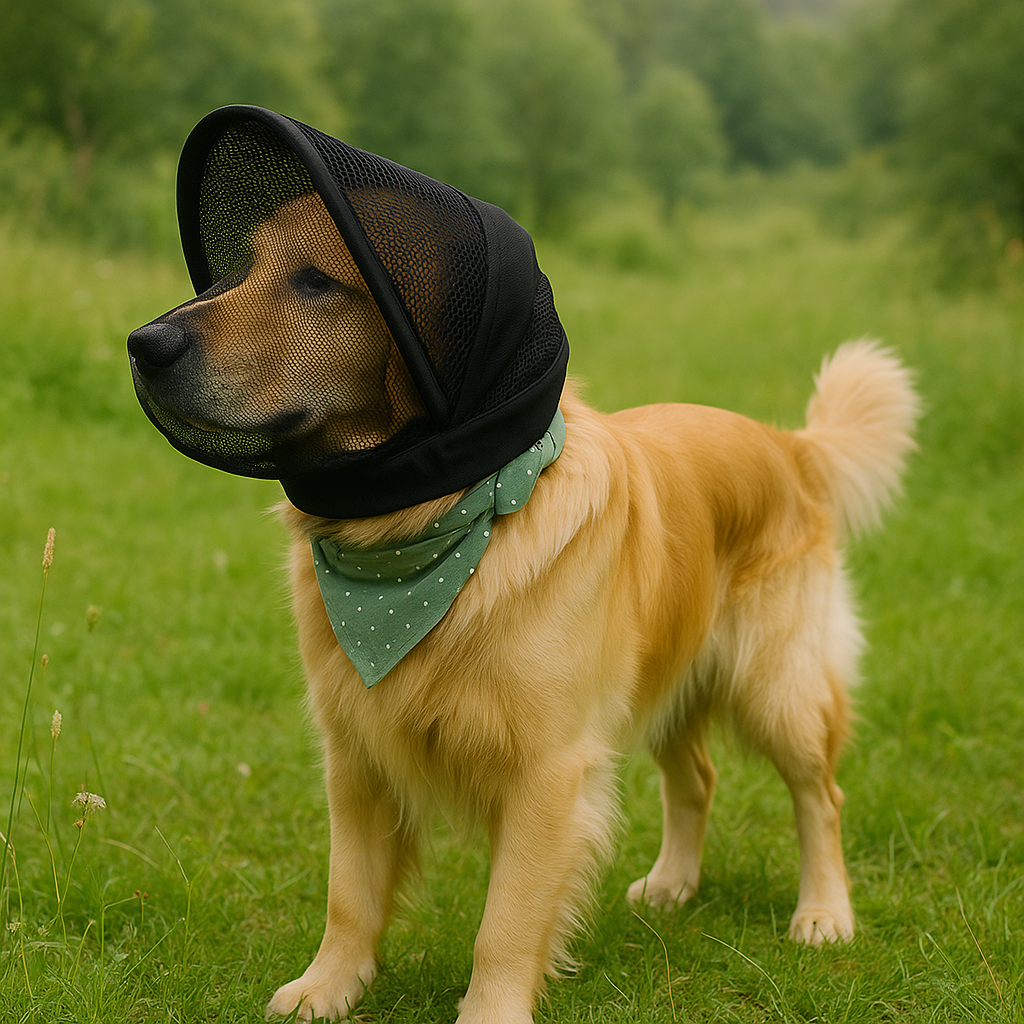
- Mesh muzzles: lightweight and breathable for brief situations.

Getting the Fit Right
A muzzle should be snug but not tight. For basket styles, your dog needs room to open the mouth and pant. Measure the snout length and circumference, then check the manufacturer's size chart. A poor fit can chafe, restrict breathing, or slip off.
Positive Muzzle Training
- Let your dog sniff the muzzle and give treats.
- Place a treat inside so your dog puts their nose in voluntarily.
- Gradually add time before you fasten the straps.
- Reward heavily, then remove it before your dog gets upset.
- Build up wear time slowly over days or weeks.
Never leave a muzzle on an unsupervised dog, and avoid it in hot weather unless it allows full panting. If aggression is a concern, consult a certified trainer or veterinary behaviorist.
Common Muzzle Mistakes
- Using the wrong type: soft muzzles that hold the mouth shut should not be worn for long periods.
- Putting it on in the heat: dogs need to pant to cool down.
- Skipping training: a muzzle introduced suddenly can create fear.
- Using it as a punishment: this damages trust.
Frequently Asked Questions
Does a muzzle mean my dog is dangerous?
Not at all. Many dogs wear muzzles for safety during vet visits, grooming, or rehabilitation.
Can a dog drink while muzzled?
Basket muzzles allow drinking and panting. Fabric muzzles do not, so they should be used only briefly.
How long does muzzle training take?
It varies from days to weeks. Go at your dog's pace and use plenty of rewards.
Can a muzzle stop barking?
Muzzles are not meant for stopping barking. Address the cause with training instead.
Quick Takeaways
A properly fitted, positively introduced muzzle is a useful safety tool. Choose the right type and never leave your dog unattended in one.
Find safety gear in our collection of collars, leashes, and accessories.
Related Articles