Helping a Senior or Injured Dog Walk: A Guide to Support Harnesses
When Dogs Need Extra Support
Arthritis, hip dysplasia, neurological conditions, and injury recovery can all make it hard for dogs to stand and walk. Many owners notice wobbling hind legs, slipping on floors, or difficulty getting up after naps. A support harness gives gentle lift that reduces strain and helps your dog stay active.
How a Support Harness Helps
- Assists with standing from lying or sitting
- Supports hind legs on stairs, slopes, and slippery floors
- Helps with bathroom trips for dogs that tire quickly
- Protects your back when lifting larger dogs

Choosing the Right Style
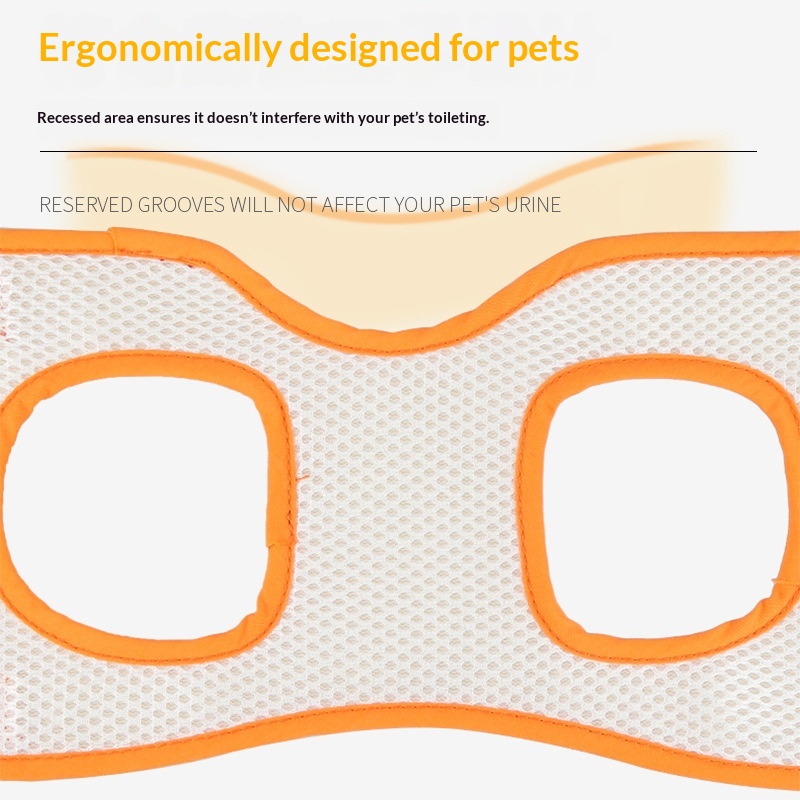
Rear support harnesses wrap around the hips and thighs, while full-body lift harnesses support the chest and rear. Choose padded, breathable straps and a sturdy handle placed for comfortable lifting. Measure your dog carefully and check weight limits before buying.
Using It Safely
Lift only enough to take the weight off the legs, letting your dog still use their muscles. Walk slowly on non-slip surfaces and keep sessions short. Check for skin irritation after each use, and keep the harness clean and dry.
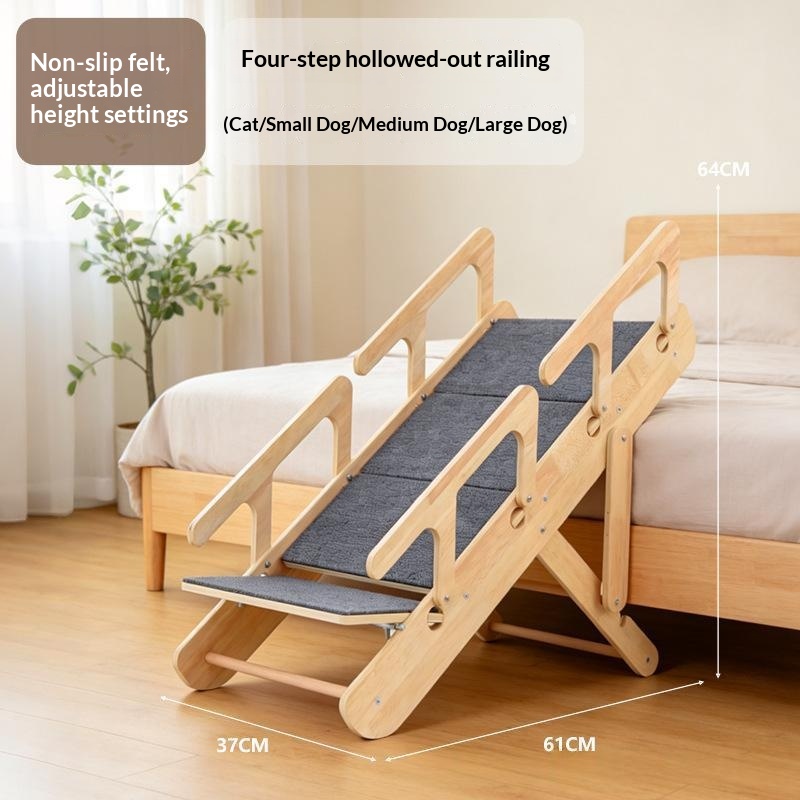
A harness is only part of mobility care. Ask your vet about pain management, supplements, weight control, and gentle exercise. Orthopedic bedding, rugs for traction, and ramps can all improve comfort at home.
Common Support Harness Mistakes
- Lifting too much: allow your dog to use their muscles to maintain strength.
- Wearing it for hours: use it only when assistance is needed.
- Ignoring skin checks: rubbing can cause sores.
- Skipping vet advice: the underlying condition needs a diagnosis and plan.
Frequently Asked Questions
Can a support harness help with stairs?
Yes, a handle on the harness lets you steady your dog on steps, slopes, and getting into the car.
Is it suitable for large dogs?
Choose a model rated for your dog's weight and with strong, padded straps. For heavy dogs, a full-body lift harness is often more comfortable.
How do I measure for a harness?
Measure around the thigh and the body according to the size chart, with your dog standing.
Will it help with incontinence?
It can assist your dog in standing for bathroom breaks, but ask your vet about managing incontinence.
Quick Takeaways
A support harness helps dogs with weak hind legs stay mobile. Use it alongside veterinary care and a comfortable home setup.
Find mobility helpers in our harness collection.
Related Articles