
How to Stop a Dog From Chewing Furniture, Shoes, and Baseboards
Why Dogs Chew
Puppies chew to soothe sore gums while teething. Adult dogs chew from boredom, stress, excess energy, or simply because it feels good. Chewing is a natural, healthy behavior, but dogs do not know which items are off-limits until you show them.
Step 1: Manage the Environment
Put shoes, remote controls, and clothing out of reach. Use baby gates and a playpen when you cannot supervise. Management is not a failure; it prevents your dog from rehearsing the habit while they learn better choices.
Step 2: Provide Plenty of Appropriate Chews
- Offer several different textures: rubber, rope, and firm chew toys.
- Rotate toys daily so they stay exciting.
- Choose sizes that cannot be swallowed.
- Supervise new toys to see how your dog uses them.

Step 3: Redirect, Do Not Punish
When you catch your dog chewing something off-limits, calmly swap it for an approved chew and praise them. Punishing after the fact does not work, since dogs cannot connect the scolding to something they did earlier. Bitter-tasting sprays can help protect furniture legs and wires while your dog learns.
Dog-Proofing Checklist
- Move shoes, socks, and remotes into closets or high shelves.
- Cover or hide electrical cords and charging cables.
- Close doors to rooms you cannot supervise.
- Keep a stash of approved chews in every room your dog uses.
- Rotate chews every few days so they stay interesting.
Spending ten minutes dog-proofing a room can save hundreds of dollars in damage and prevent a dangerous swallowing emergency.
Common Mistakes
- Leaving tempting items within reach: management comes first.
- Giving old shoes as toys: dogs cannot tell old from new.
- Skipping exercise: bored dogs chew more.
- Using the crate as punishment: it should be a safe place.
Frequently Asked Questions
Will my dog grow out of chewing?
Puppies often chew less after teething, but adolescent dogs can chew heavily. Training and enrichment help.
What if my dog swallowed something?
Call your vet or an emergency clinic right away. Blockages can be serious.
Are bitter sprays safe?
Most are safe for furniture, but check the label and test on a small area first.
Quick Takeaways
Manage your space, offer lots of good chews, and redirect gently. Exercise and mental stimulation reduce destructive chewing.
See chew options in our toys and enrichment collection.
Related Articles
Kitten Supplies Checklist: Everything You Need Before Bringing a Kitten Home
Oct 06, 2026
How to Introduce a New Cat to Your Resident Cat: A Slow, Stress-Free Plan
Oct 05, 2026
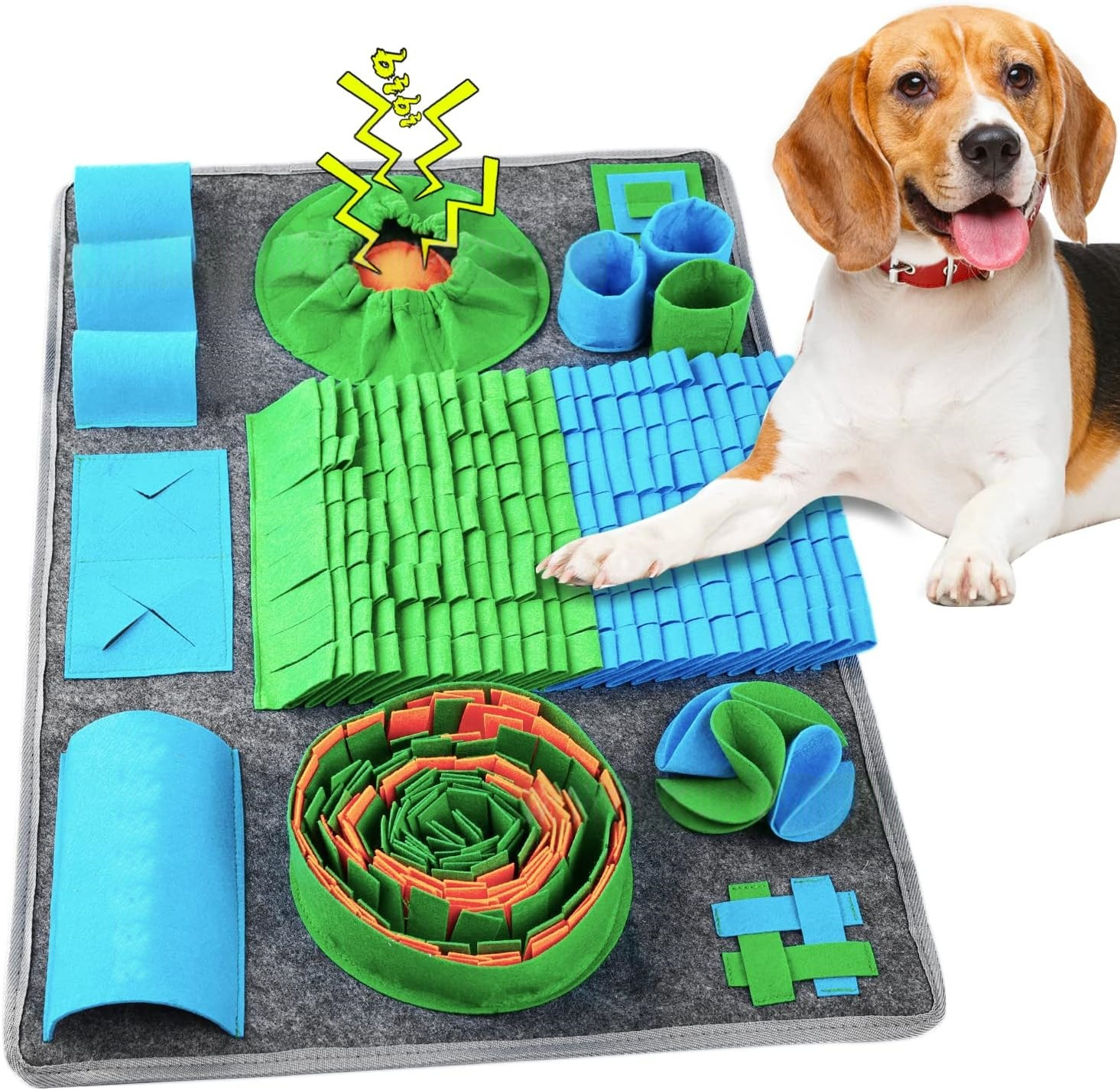
Snuffle Mats for Dogs: What They Are and How to Use One
Oct 05, 2026
Vertical Space for Cats in Small Apartments: Shelves, Hammocks, and Perches
Oct 05, 2026