How to Stop Your Cat From Scratching Carpet and Door Frames
Why Cats Scratch Carpets and Doors
Scratching helps cats shed old claw sheaths, stretch their backs and shoulders, and leave scent marks from glands in their paws. Carpets and door frames are popular because they are close to where cats sleep and where people walk, which makes them ideal for marking territory. The behavior itself is healthy. The place is the problem.
Give Them a Better Option
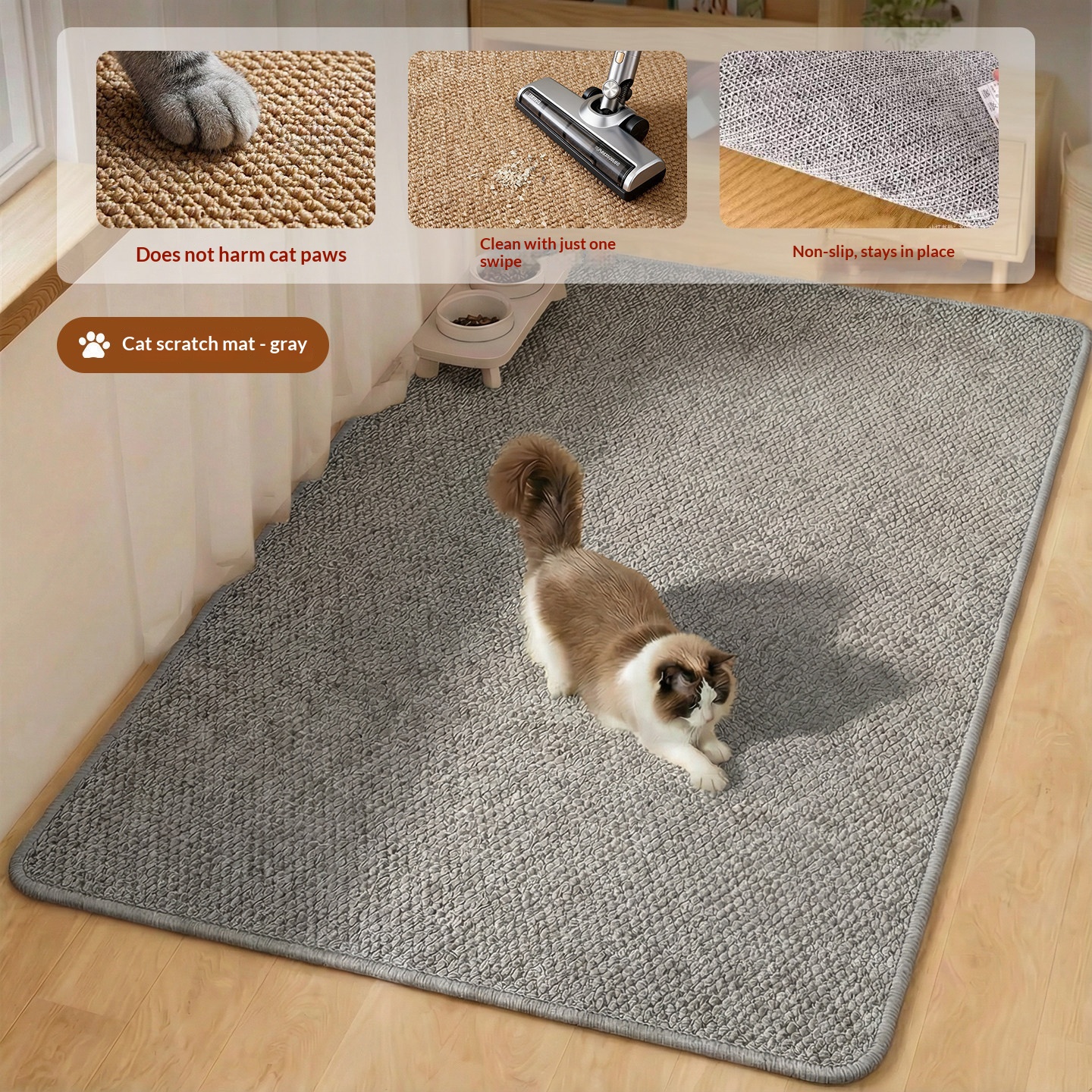
- Put scratchers where your cat already scratches: place a mat or post directly in front of the target.
- Match the surface: cats that scratch carpet may like flat sisal mats, while door scratchers often prefer vertical posts.
- Make it stable: anything that slides or tips will be ignored.
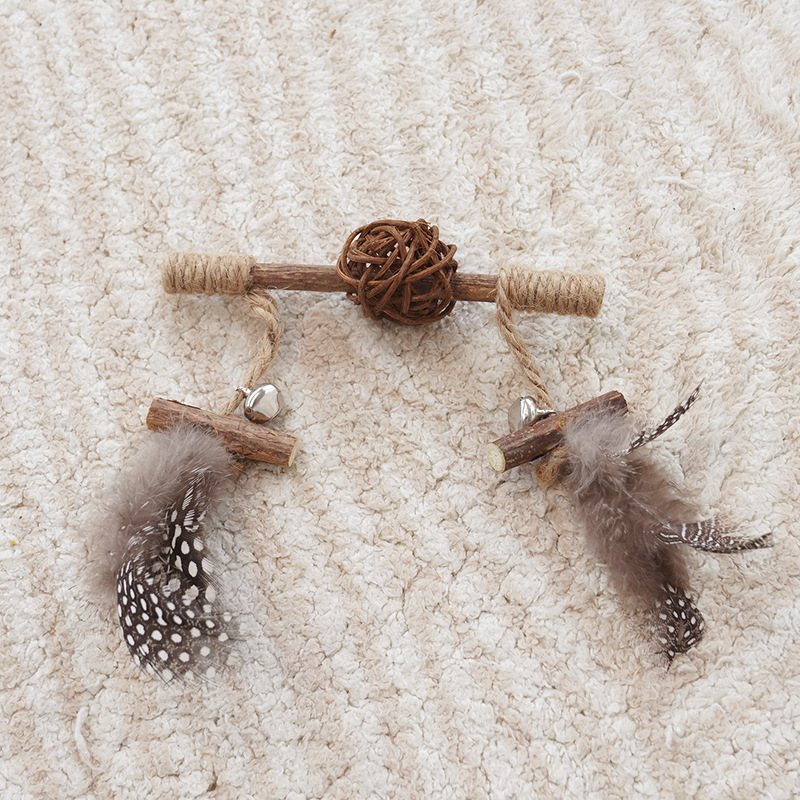
- Add scent: a little catnip or silvervine can attract attention.

Make the Old Spot Less Appealing
Cover scratched areas temporarily with double-sided sticky tape or a smooth plastic guard. Cats usually dislike the texture. Remove any lingering scent with an enzyme cleaner. Once your cat reliably uses the new scratcher, you can slowly move it to a spot that works better for your room.
Good Habits That Help
Common Scratching Mistakes
- Putting the scratcher in a hidden room: cats scratch in social areas.
- Using a flimsy post: cats avoid scratchers that wobble.
- Scolding or spraying water: this creates fear without teaching an alternative.
- Removing the old scratcher too soon: let your cat transition gradually.
Frequently Asked Questions
Why does my cat scratch right after waking up?
Cats stretch and scratch after naps to loosen muscles. Place a scratcher near their favorite sleeping spots.
Will sticky tape ruin my carpet?
Use tape made for this purpose or test a hidden spot first. Remove it once your cat is using the new scratcher.
Do scratching posts need to be tall?
Tall posts allow a full stretch, but flat mats work well for cats that scratch horizontally.
Should I trim my cat's claws?
Regular trims reduce damage. Ask your vet or groomer to show you how.
Quick Takeaways
Redirect scratching with attractive, sturdy options in the right places. Be patient, never declaw, and reward good habits.
Trim claws regularly, reward every use of the scratcher with praise or a treat, and never punish your cat for scratching. Never declaw a cat, as it is a painful surgery that can cause long-term problems. If scratching suddenly increases, consider stress, boredom, or changes at home, and ask your vet if it continues.
Related Articles