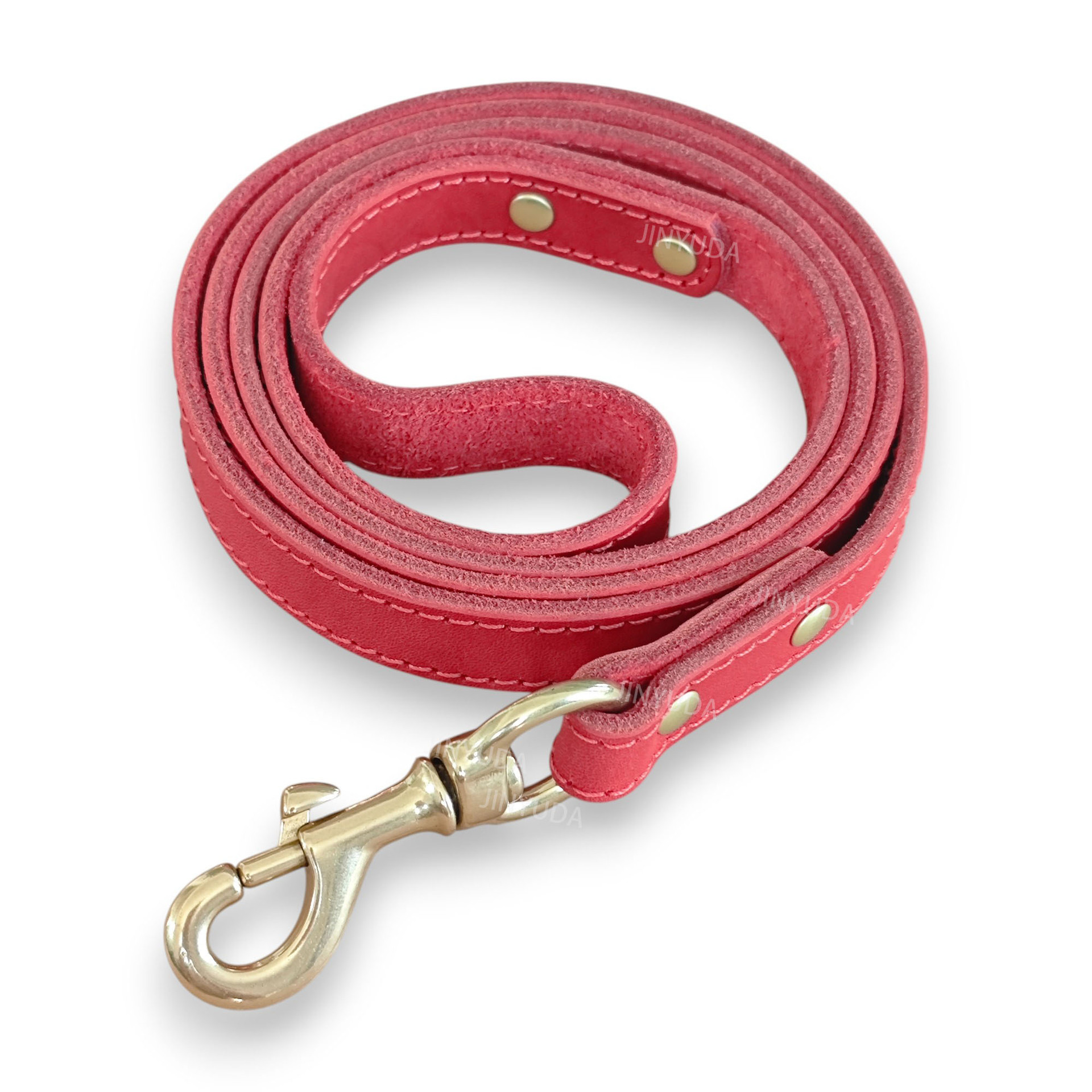
How to Teach a Dog to Come When Called: A Step-by-Step Recall Guide
Why Recall Matters
A dog that comes when called can be trusted near busy streets, open trails, and the neighbor's yard. In the United States, many cities require dogs to be leashed in public, so recall also matters for off-leash time in fenced parks and backyards. It is a skill worth practicing every week of your dog's life.
Step 1: Pick a Cue and a Great Reward
Choose a short word such as "come" or "here" and use it only for recall. Pair it with a reward your dog loves, such as small pieces of chicken or cheese. The reward must be better than whatever else is going on around you.
Step 2: Start Indoors
Stand a few feet from your dog, say your cue in a cheerful voice, and reward the moment they reach you. Practice in quiet rooms first. Never call your dog to scold them, or they will learn that coming means trouble.

Step 3: Add Distance and Distractions
- Move to the hallway, then the yard, always on a secure leash or long line.
- Use a 15 to 30 foot long line for safe practice outdoors.
- Reward heavily every time, then slowly make rewards less predictable.
- Never let your dog off leash in an unfenced area until recall is rock solid.
A Simple Weekly Recall Practice Plan
- Monday and Thursday: five minutes indoors with high-value treats.
- Tuesday and Friday: ten minutes in the backyard on a long line.
- Weekend: one outing to a quiet park, still on the long line.
Short, frequent sessions beat one long weekly lesson. Keep notes on what works so you can repeat success, and stop each session while your dog is still eager.
Common Recall Mistakes
- Calling too often without a reward: the cue loses meaning.
- Chasing your dog: it turns recall into a game of keep-away.
- Skipping the long line: off-leash practice too early teaches your dog to ignore you.
- Repeating the cue: say it once, then make it easy for your dog to succeed.
Frequently Asked Questions
How long does it take to train a reliable recall?
Most dogs need several weeks of daily practice, and many need months to be reliable around big distractions.
What if my dog will not come at the park?
Go back a step. Practice in a quieter place on a long line and use better rewards until your dog is successful again.
Can an older dog learn recall?
Yes. Older dogs learn just as well with patience and good treats.
Quick Takeaways
Keep recall positive, practice in small steps, and never punish a dog for coming to you. A strong recall is worth the effort.
Find leashes and walking gear in our leash collection.
Related Articles

Kitten Supplies Checklist: Everything You Need Before Bringing a Kitten Home
Oct 06, 2026

How to Introduce a New Cat to Your Resident Cat: A Slow, Stress-Free Plan
Oct 05, 2026
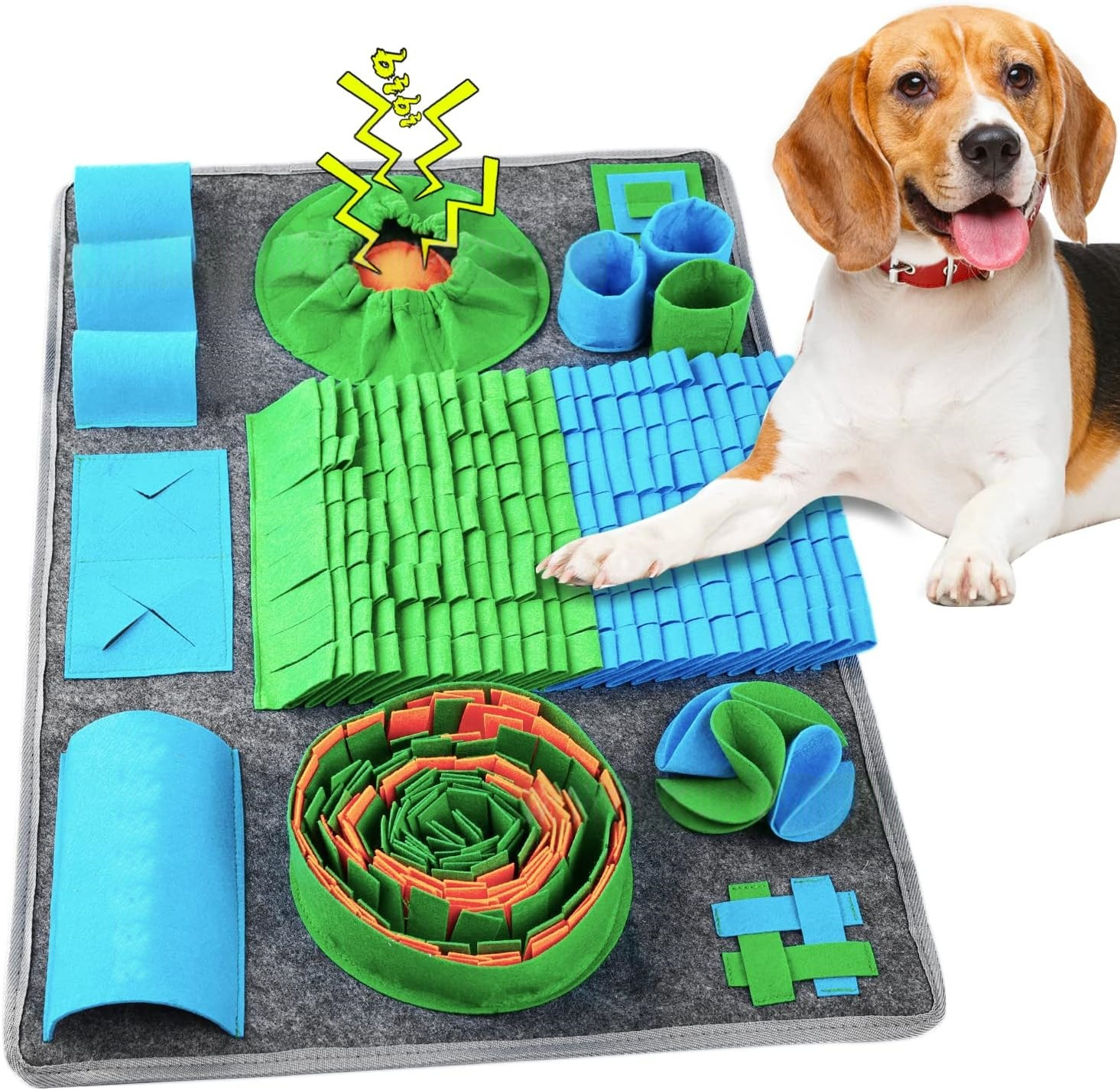
Snuffle Mats for Dogs: What They Are and How to Use One
Oct 05, 2026

Vertical Space for Cats in Small Apartments: Shelves, Hammocks, and Perches
Oct 05, 2026