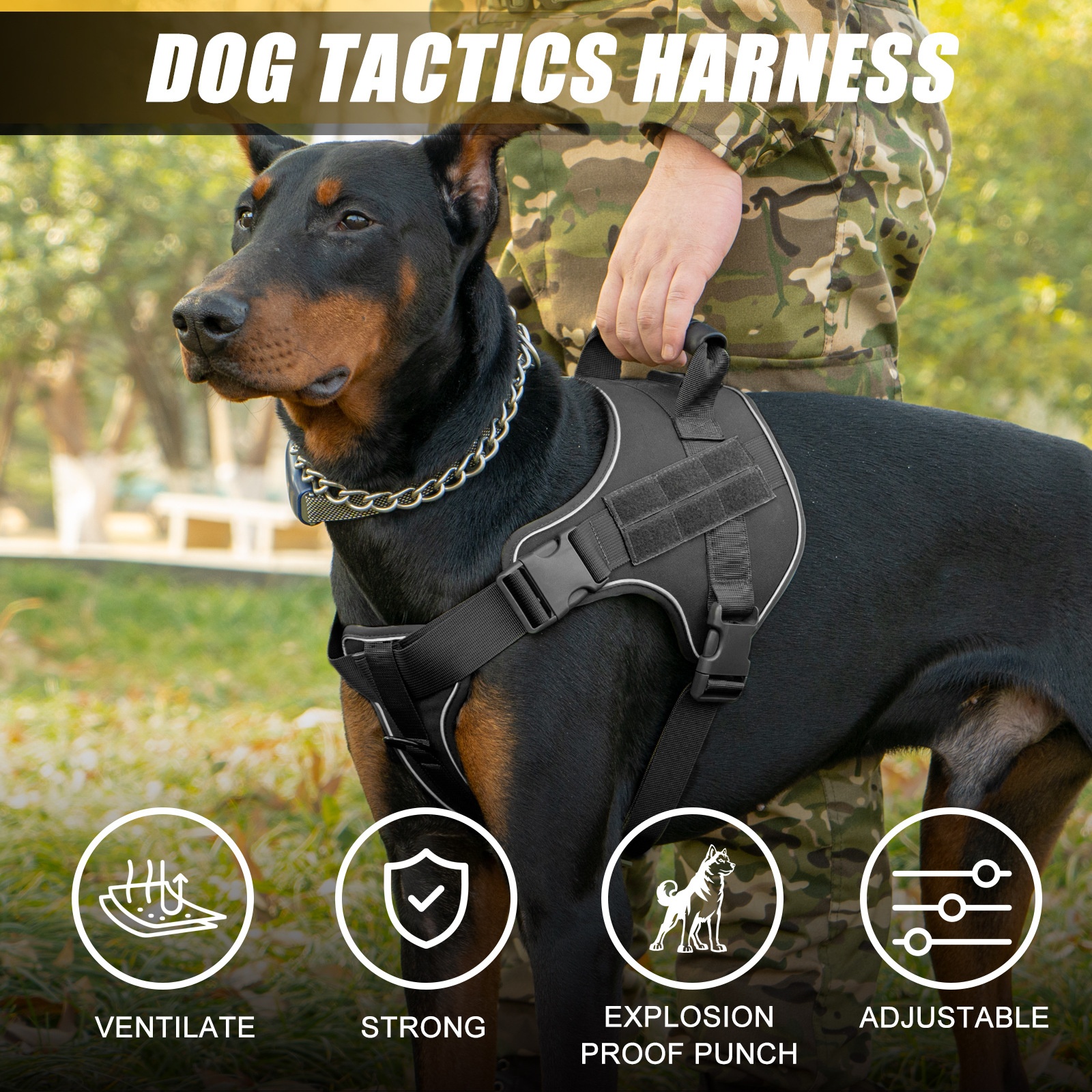
Leash Reactive Dog? How to Walk Calmly Past Other Dogs
What Is Leash Reactivity?
A leash reactive dog barks, lunges, or pulls hard when they see other dogs, people, or bikes while on a leash. It usually comes from frustration, fear, or overexcitement, not aggression. Many dogs that behave well off leash struggle when they are restrained and cannot greet or flee.
Find Your Dog's Threshold
Every dog has a distance at which they can see a trigger and still stay calm. Stay beyond that distance when you start. If your dog starts barking or lunging, you are too close, so increase the space and try again.
Counter-Conditioning in Four Steps
- Spot the trigger before your dog reacts.
- Say "yes" and feed a high-value treat while the trigger is visible.
- Stop treating when the trigger leaves.
- Gradually move closer over many sessions as your dog stays relaxed.

Equipment and Routes
A secure, comfortable harness and a standard 6 foot leash give you control and comfort. Avoid retractable leashes and tight collars. Walk at quieter times, such as early morning, and choose wide routes where you can cross the street if needed.
Walk Planning Tips for Reactive Dogs
- Pick quiet times, such as early morning or late evening.
- Know your escape routes: side streets, driveways, and parked cars to use as visual blockers.
- Carry a pouch of tiny, smelly treats so you are always ready.
- Practice the "look at that" game, rewarding your dog for noticing a trigger and looking back at you.
Most owners see real progress within weeks when they stay consistent and avoid situations that overwhelm their dog.
Common Mistakes
- Forcing greetings: pushing a reactive dog closer increases stress.
- Tightening the leash: tension can raise your dog's arousal.
- Punishing barking: this can increase fear of the trigger.
- Going too fast: progress comes from slow, repeated successes.
Frequently Asked Questions
Is my dog aggressive?
Not necessarily. Reactivity is often about frustration or fear. A trainer can help you tell the difference.
Should I use a muzzle?
A basket muzzle can add safety while you train. Introduce it with treats first.
When should I hire a trainer?
If your dog's reactions are intense or you feel unsafe, a certified positive-reinforcement trainer is worth it.
Quick Takeaways
Stay under threshold, reward calm behavior, and build distance slowly. Patience pays off.
Shop walking gear in our harness and leash collection.
Related Articles

Kitten Supplies Checklist: Everything You Need Before Bringing a Kitten Home
Oct 06, 2026

How to Introduce a New Cat to Your Resident Cat: A Slow, Stress-Free Plan
Oct 05, 2026
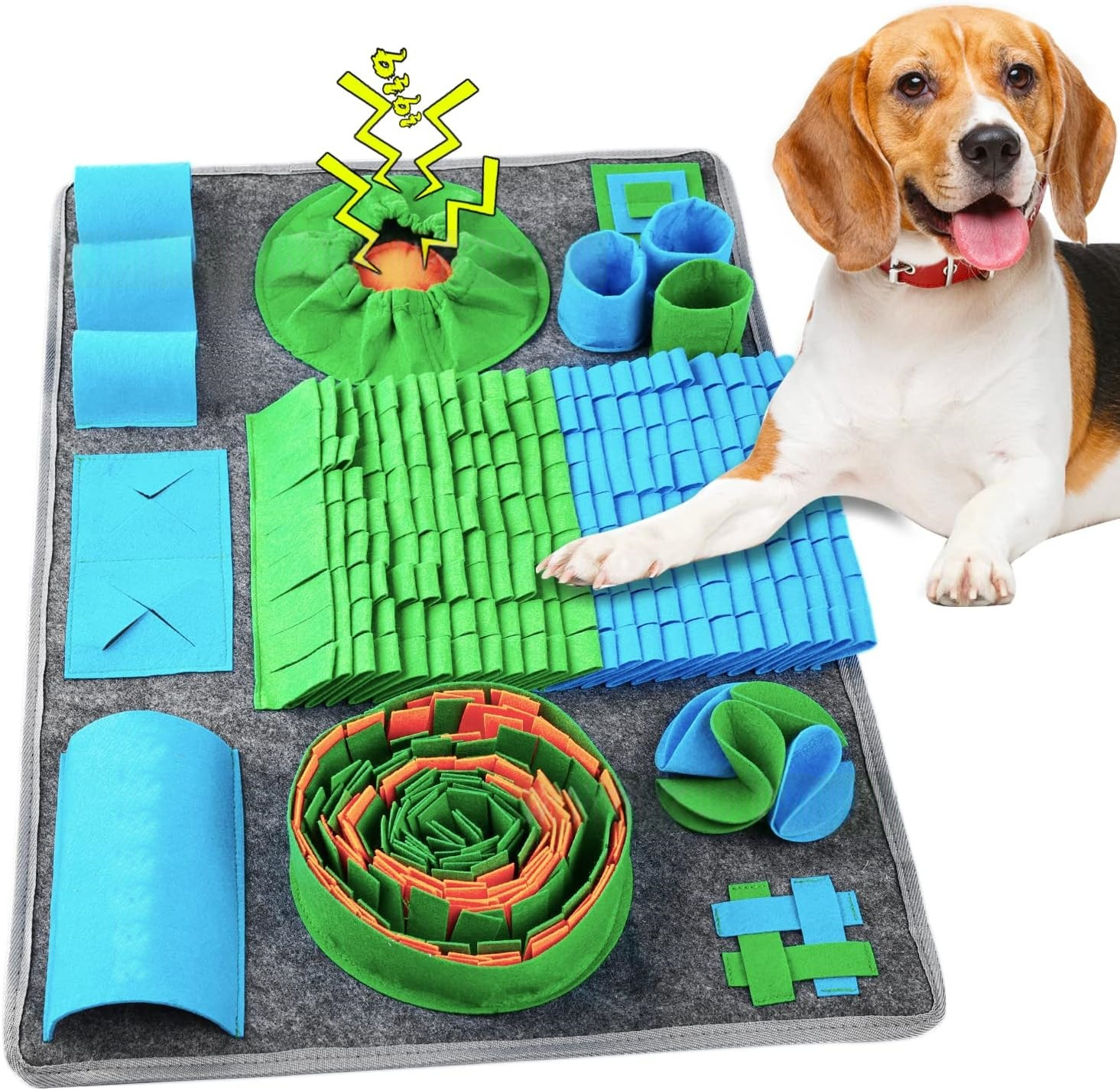
Snuffle Mats for Dogs: What They Are and How to Use One
Oct 05, 2026

Vertical Space for Cats in Small Apartments: Shelves, Hammocks, and Perches
Oct 05, 2026