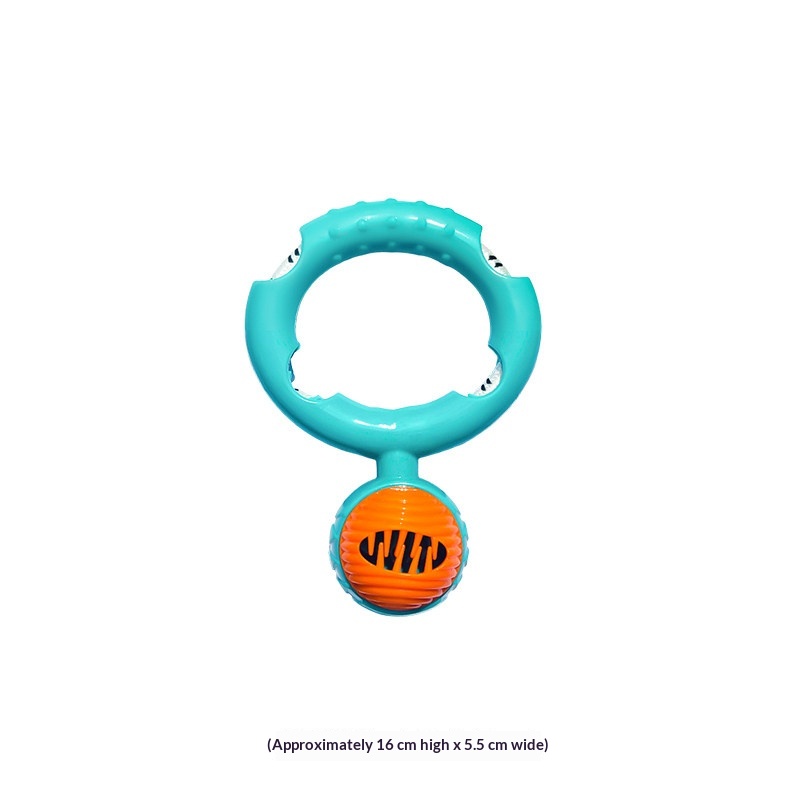
Training Treats 101: How to Choose and Use Them Like a Pro
Why Treats Work
Dogs repeat behaviors that pay off. Food is one of the clearest, fastest rewards you can give, which is why most professional trainers use treats to teach new skills. The goal is not to bribe, but to mark and reward correct behavior so your dog understands what you want.
Choose the Right Treat
- Small: pea-sized pieces so your dog can eat quickly and keep working.
- Soft: easy to swallow without crunching.
- High value for tough jobs: chicken, cheese, or hot dog pieces for outdoor and distracting settings.
- Low value for easy tasks: regular kibble works well at home.

Timing and Delivery
Reward within one to two seconds of the behavior. A clicker or a happy marker word like "yes" helps tell your dog exactly what earned the treat. Deliver treats at the height and position you want, such as at your side for heel work.
Watch the Calories
Treats should make up no more than about 10 percent of your dog's daily calories. On heavy training days, reduce meal portions slightly or use part of your dog's kibble as rewards.
Sample Training Session
Try this five-minute routine: ask for three sits, two downs, and one hand target, rewarding each success with a tiny treat. End with a fun game and a handful of kibble. Keep your treat pouch within reach and put away leftovers so your dog does not learn to hunt for food around the house.
- Train before meals when your dog is hungry.
- Use a different treat for harder skills.
- Keep sessions short, fun, and frequent.
Common Mistakes
- Using large treats: your dog fills up and loses motivation.
- Waiting too long to reward: your dog will not link the treat to the behavior.
- Using the same treat everywhere: raise the value in harder settings.
- Never fading treats: gradually reward some repetitions with praise or play.
Frequently Asked Questions
Which human foods are safe as treats?
Plain cooked chicken, small cheese cubes, and some fruits like blueberries are common choices. Avoid grapes, raisins, onions, garlic, chocolate, and anything with xylitol.
Can I train without treats?
Yes, with toys, play, and praise, though food is often easiest at first.
What if my dog is not food motivated?
Try different treats, train before meals, or use a favorite toy as the reward.
Quick Takeaways
Small, tasty, well-timed treats make training faster and more fun for you and your dog.
Find treat toys in our toys collection.
Related Articles
Kitten Supplies Checklist: Everything You Need Before Bringing a Kitten Home
Oct 06, 2026
How to Introduce a New Cat to Your Resident Cat: A Slow, Stress-Free Plan
Oct 05, 2026
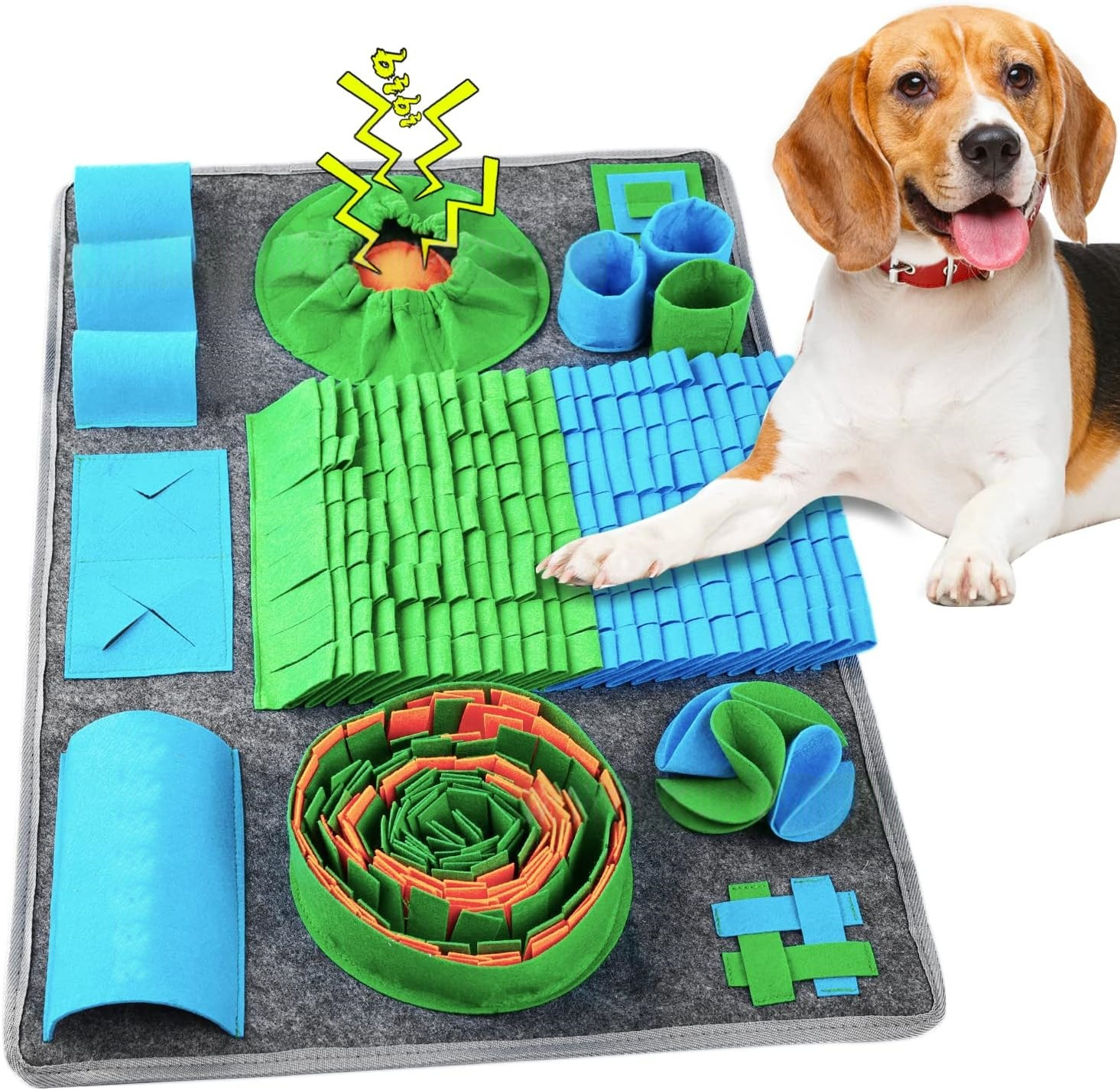
Snuffle Mats for Dogs: What They Are and How to Use One
Oct 05, 2026
Vertical Space for Cats in Small Apartments: Shelves, Hammocks, and Perches
Oct 05, 2026