
Your First 30 Days With a Rescue Dog: The 3-3-3 Rule Explained
What Is the 3-3-3 Rule?
The 3-3-3 rule is a popular guideline among shelters and rescue groups. It suggests that a newly adopted dog needs about three days to decompress, three weeks to learn the routine, and three months to feel fully at home. It is not a strict timeline, but it helps owners set realistic expectations during a big transition.
The First Three Days
Expect a nervous, tired, or shut-down dog. Keep the house quiet, limit visitors, and avoid overwhelming outings. Offer a cozy bed in a calm corner, regular potty breaks, and small meals. Do not worry if your dog hides, refuses food for a day, or sleeps a lot.

The First Three Weeks
- Establish a routine for meals, walks, and sleep.
- Start simple training with rewards.
- Introduce one new person or place at a time.
- Watch for behaviors such as resource guarding or separation anxiety.
The First Three Months
Your dog's real personality emerges, and trust deepens. You may see new behaviors as they feel safe enough to test boundaries. Stay consistent, keep rewarding good behavior, and consider a positive-reinforcement class to build confidence and skills.
Health and Paperwork
Schedule a vet visit in the first week for a checkup. Update the microchip registration with your information, get a license if required by your city or county, and ask the shelter for medical records.
Common Mistakes With New Rescues
- Introducing too many people at once: go slowly.
- Letting a new dog off leash early: flight risk is high in the first weeks.
- Skipping routine: predictability builds security.
- Expecting instant gratitude: trust takes time.
Frequently Asked Questions
Why is my rescue dog not eating?
Stress can reduce appetite for a day or two. Call your vet if it lasts longer.
Should I take my new dog to the dog park?
Wait until your dog is settled and has met a few calm dogs one-on-one.
How can I help with separation anxiety?
Practice short absences, give a stuffed chew, and talk to your vet or a trainer if it persists.
Can I change my dog's name?
Yes. Many dogs adjust quickly with treats and positive association.
Quick Takeaways
Be patient, keep life calm, and focus on routine. Every dog adjusts at their own pace.
Find cozy beds in our pet beds collection.
Related Articles

Kitten Supplies Checklist: Everything You Need Before Bringing a Kitten Home
Oct 06, 2026

How to Introduce a New Cat to Your Resident Cat: A Slow, Stress-Free Plan
Oct 05, 2026
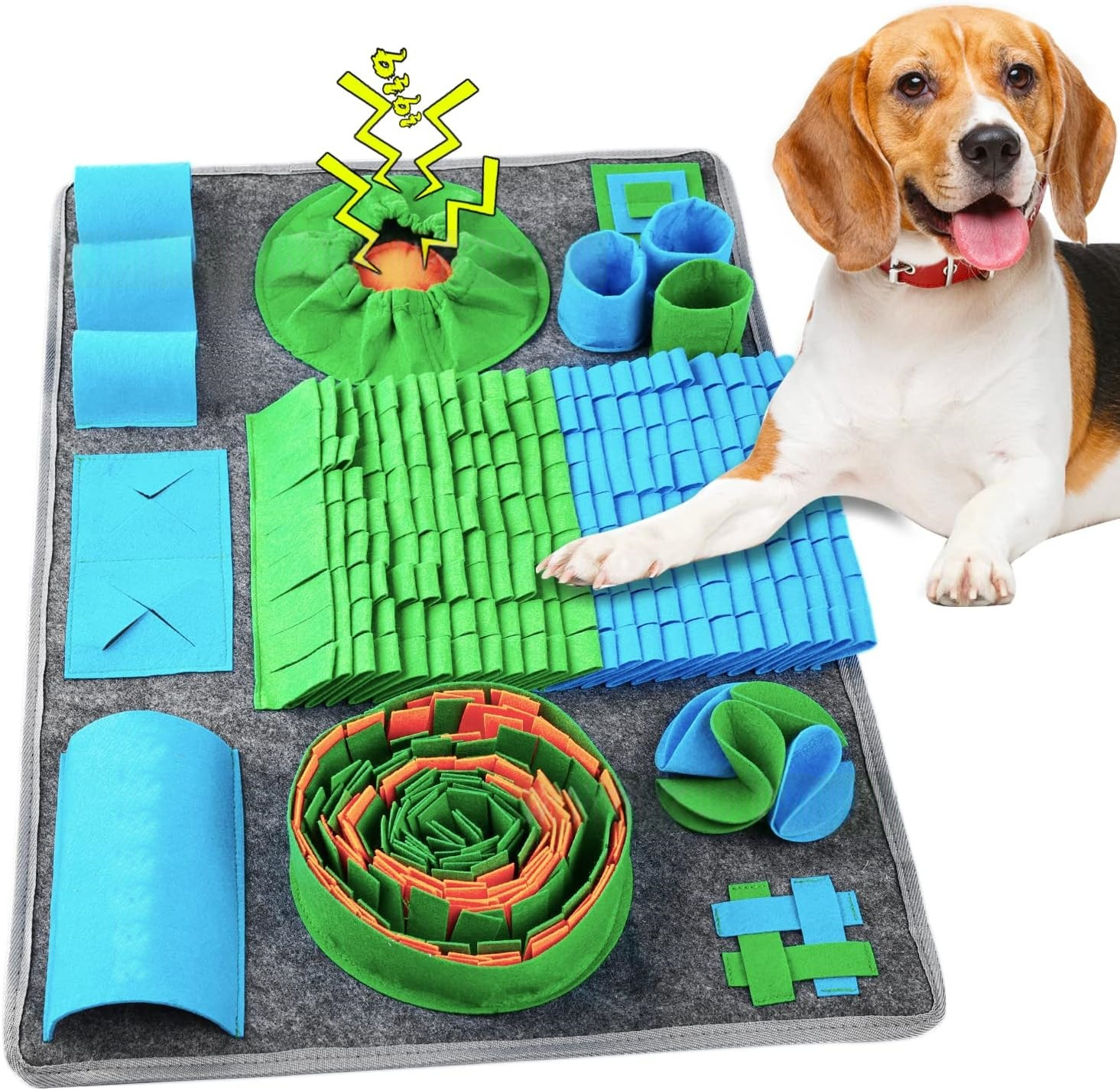
Snuffle Mats for Dogs: What They Are and How to Use One
Oct 05, 2026
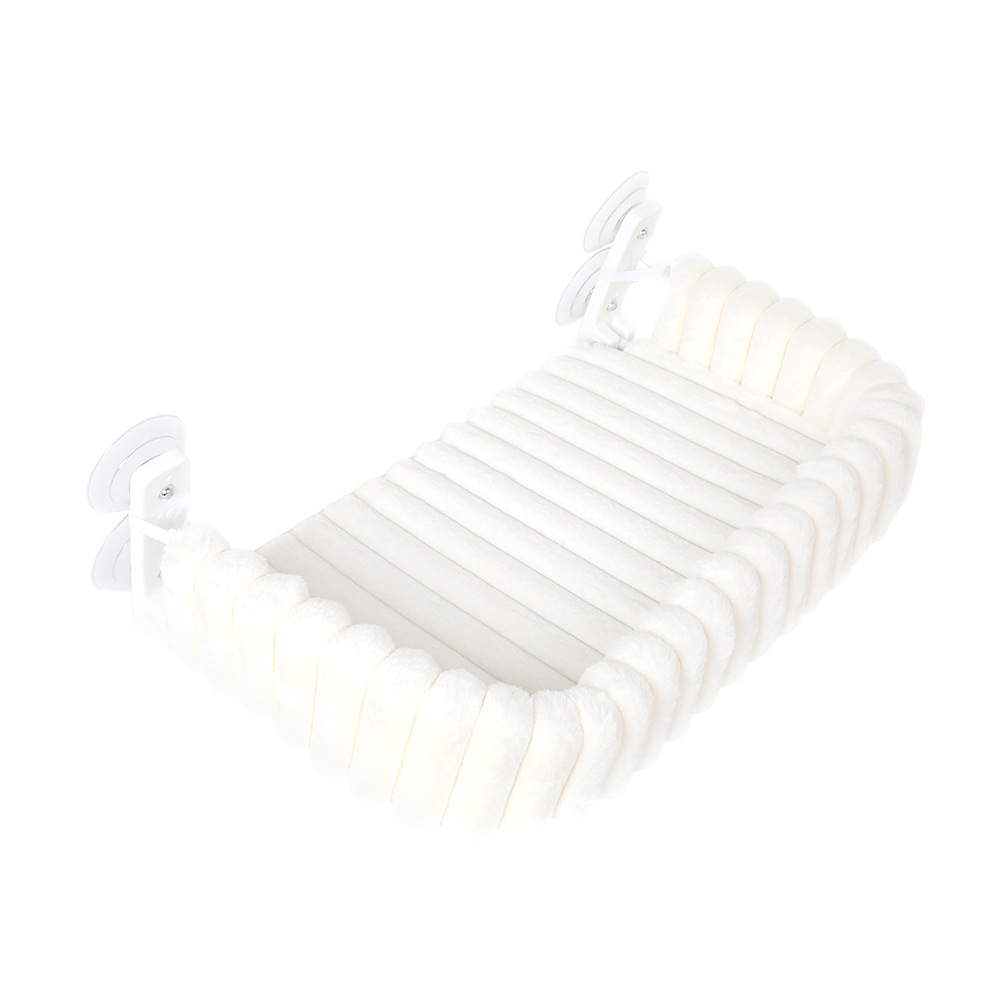
Vertical Space for Cats in Small Apartments: Shelves, Hammocks, and Perches
Oct 05, 2026