Enclosed vs Open Litter Boxes: Which Is Better for Your Cat?
The Case for an Enclosed Litter Box
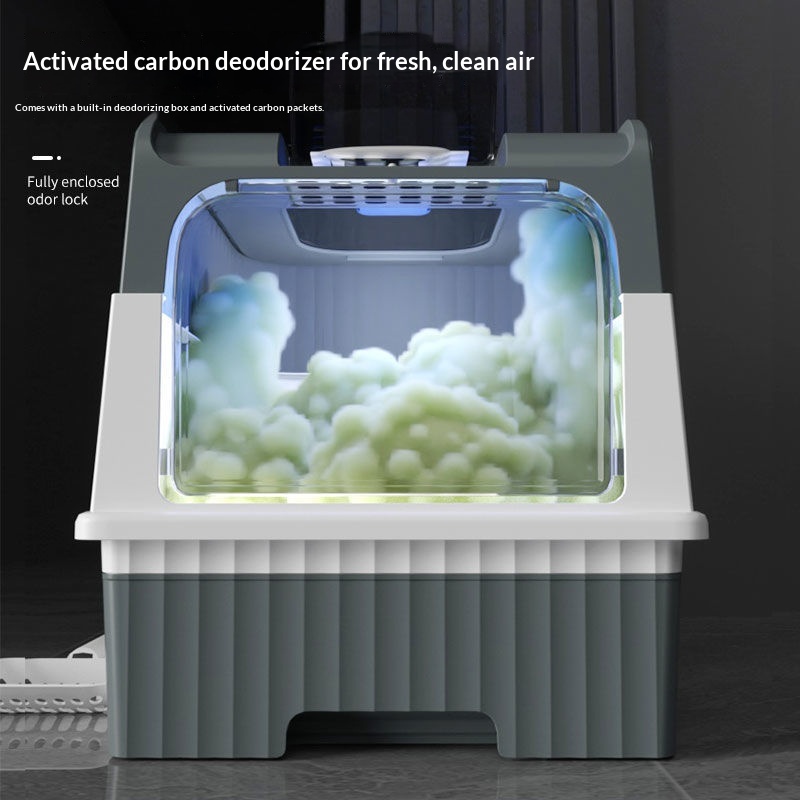
Covered boxes give cats privacy and hide the mess from view, which many owners like. A hood helps keep litter from scattering and can contain some odor. They suit shy cats that prefer to go unseen and homes where the box sits in a busy living area.
The Case for an Open Box
Open boxes offer easy access, better airflow, and a clear view of the surroundings. Some cats feel trapped in an enclosed box, especially if there is only one exit, and may avoid it. Open boxes also make it easier to notice changes in the litter, such as unusual clumps or blood, which can be an early sign of a health problem.

How to Decide
- Watch your cat: if they hesitate at the entrance or scratch outside the box, try an open style.
- Consider size: the box should be about one and a half times your cat's body length.
- Think about odor: an enclosed box still needs daily scooping, because trapped smells can put cats off.
- Offer a choice: in multi-cat homes, try both types and see what gets used.
Litter Box Basics That Matter More
Common Litter Box Mistakes
- Choosing a box that is too small: cats need room to turn and dig.
- Skipping daily scooping: a dirty box is the top reason cats avoid it.
- Using strong scented litter: perfumes can bother sensitive noses.
- Changing litter suddenly: switch gradually over a week or so.
Frequently Asked Questions
How many litter boxes do I need?
One per cat plus one extra, placed in different spots so one cat cannot guard them all.
How deep should the litter be?
About two to three inches, which lets cats dig and cover waste comfortably.
How often should I wash the box?
Empty and wash it with mild soap every one to two weeks, and replace plastic boxes that are scratched or hold odor.
My cat started peeing outside the box. What now?
Check with your vet first for urinary problems, then review cleanliness, location, litter type, and stress at home.
Quick Takeaways
Enclosed or open, the best box is the one your cat will use. Keep it large, clean, and in a quiet place.
Whichever you choose, follow the rule of one box per cat plus one extra. Place boxes in quiet, accessible spots away from food and water. Scoop at least once a day and wash the box with mild, unscented soap regularly. If your cat suddenly stops using the box, see your vet first, since urinary and digestive problems are common causes.
Related Articles