Are Electronic Cat Toys Worth It? Pros, Cons, and Safety Tips
What Are Electronic Cat Toys?
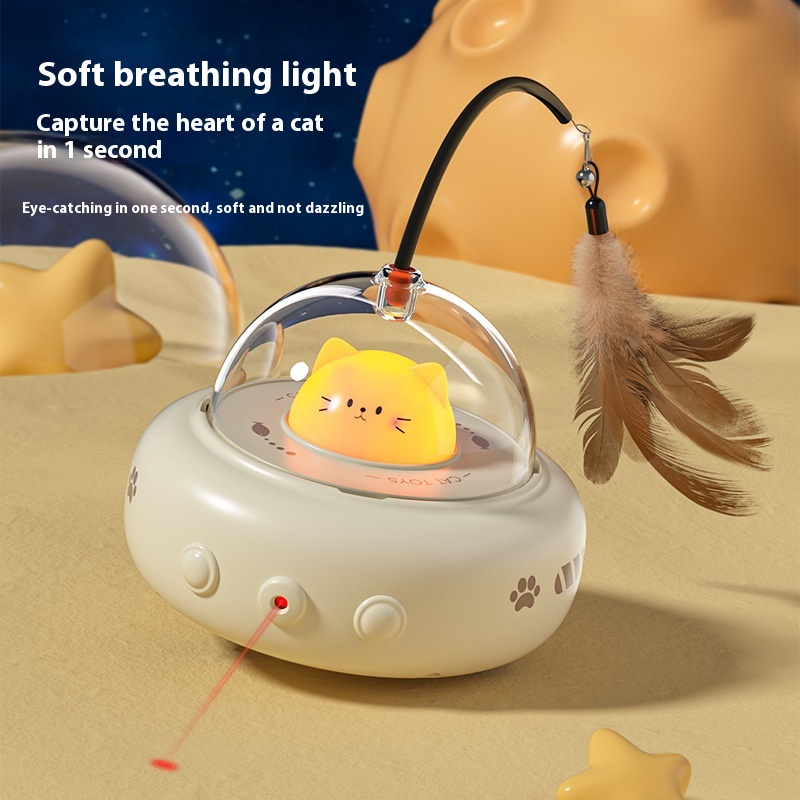
These toys move on their own with motors, lights, or random patterns to trigger a cat's chase instinct. Examples include rotating teasers, rolling balls, flapping butterflies, and automatic laser-style toys. Many are rechargeable via USB and have timers or multiple modes.
The Benefits
- Provide stimulation when you are at work or busy
- Encourage exercise for indoor cats
- Offer variety with different speeds and patterns
- Can help bored cats burn off energy

The Downsides
Some cats get bored quickly, while others become frustrated if they cannot catch the toy. Electronics can fail, and loose parts or cords may be dangerous if chewed. These toys do not replace the bonding and variety of play with you.
Safety Tips
- Choose toys with secure battery compartments.
- Supervise your cat the first few times.
- Keep cords out of reach and unplug when charging.
- Pick toys that are large enough not to be swallowed.
- Remove the toy if it is chewed or damaged.
Make Them More Fun
Rotate the toy in and out of sight so it stays interesting. Hide treats nearby to reward your cat, and end play sessions with a catchable toy so your cat feels satisfied.
Common Mistakes
- Leaving the toy on all day: cats lose interest.
- Using it as the only play: interactive time matters.
- Ignoring wear: check for damage regularly.
- Using near water: keep electronics dry.
Frequently Asked Questions
Will my cat get scared of the motor?
Some do. Introduce it gradually with treats.
How long should my cat play?
Ten to fifteen minutes is usually plenty.
Are these toys good for kittens?
Yes, with supervision and safe designs.
Quick Takeaways
Electronic toys are a helpful extra, not a replacement for play. Choose safe designs and rotate them.
Shop cat toys in our cat supplies collection.
Related Articles