Best Teething Toys for Puppies: What to Look For and What to Avoid
When Puppies Teethe
Puppies are born without teeth, grow 28 baby teeth by about two months, and begin losing them around three to four months. Adult teeth, 42 in total, usually come in by six or seven months. During this period, gums are tender and chewing provides relief.
What Makes a Good Teething Toy
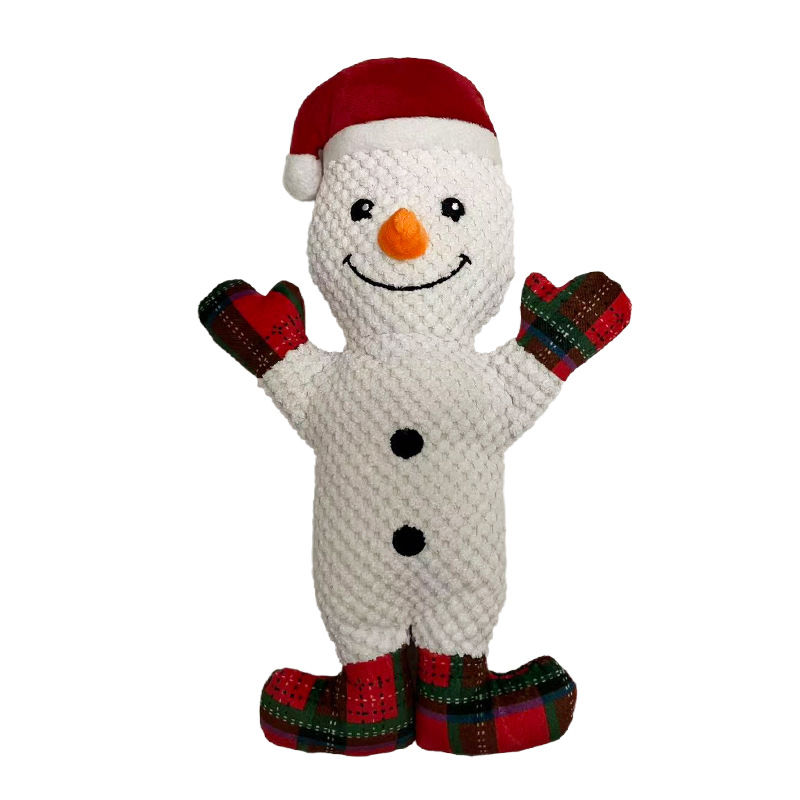
- Soft but durable: firm enough to chew but not hard enough to hurt teeth.
- Textured surfaces: ridges can massage gums.
- Size appropriate: too big to swallow and easy to hold.
- Freezable: cold toys soothe inflamed gums.
- Easy to clean: puppies drool and carry toys everywhere.

Toys and Chews to Avoid
Skip hard bones, antlers, and hooves, which can crack puppy teeth. Avoid toys with small parts, loose stuffing, or squeakers that can be pulled out and swallowed. Rawhide may cause blockages in some dogs, so ask your vet before offering it.
Rotate and Supervise
Offer a few toys at a time and swap them every day or two to keep things fresh. Always supervise new toys until you see how your puppy uses them, and throw away any toy that is torn or breaking apart.
Common Teething Mistakes
- Giving old shoes: puppies cannot tell the difference between old and new.
- Using ice cubes as chews: they can chip teeth in some dogs.
- Ignoring signs of pain: contact your vet if gums look inflamed or teeth are retained.
- Leaving the puppy alone with toys: supervision keeps them safe.
Frequently Asked Questions
Will my puppy swallow baby teeth?
It is common and usually harmless.
What if a baby tooth does not fall out?
Ask your vet. Retained teeth may need removal.
Can I freeze a toy?
Many soft chew toys can be frozen. Check the label.
Quick Takeaways
Provide safe, soft, textured toys, avoid hard chews, and rotate often. Supervision keeps teething time safe.
Browse puppy toys in our toys collection.
Related Articles