Best Toys for Large Breed Dogs: Size, Strength, and Safety Tips
Size Is a Safety Issue
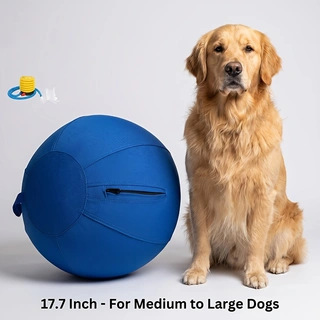
The biggest risk with large dogs is a toy that is too small. A ball or chew that fits at the back of the throat can cause choking or a blockage. As a rule, the toy should be larger than your dog's mouth can fully close around, and it should not break into small pieces. Always match the toy to your dog's size and chewing style, not their age.
Choose Tough Materials
- Dense rubber: holds up to strong jaws and often has a bit of give.
- Thick rope: for supervised tug games.
- Heavy-duty nylon: for dedicated chewers, though dogs should still be watched.
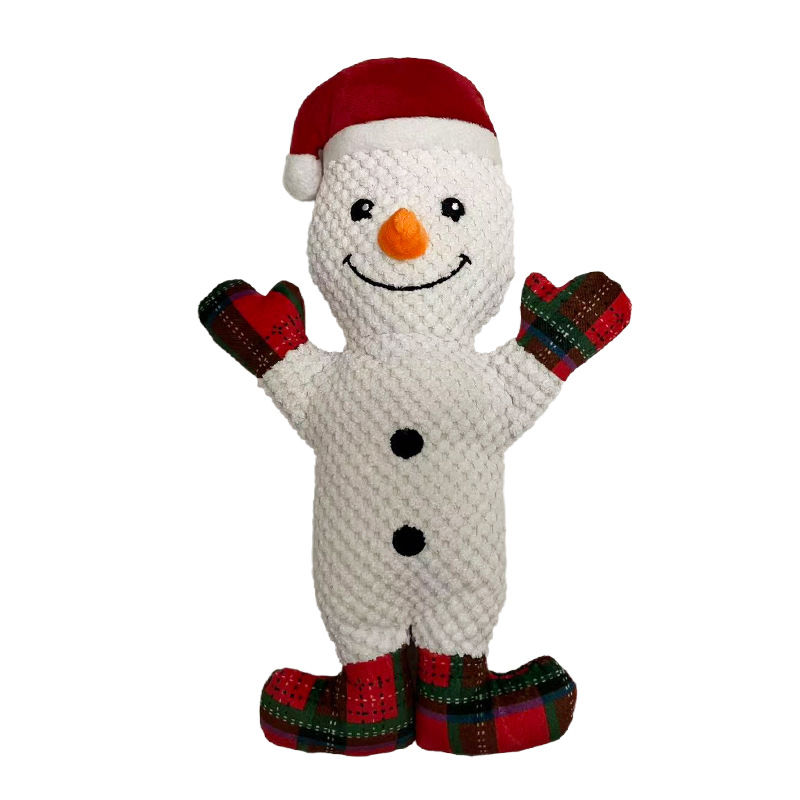
- Tough fabric toys: for gentle carriers rather than destroyers.

Toys to Be Careful With
Avoid very hard items such as cooked bones, antlers, or hard plastic, which can crack teeth. Small tennis balls are risky for large dogs, and the abrasive felt can wear down enamel. Throw away any toy that is split, shedding chunks, or small enough to swallow.
Match Toys to Activities
Large dogs need exercise for body and mind. Use durable balls and tugs for active play, puzzle and treat toys for slow thinking, and chews for downtime. Rotate toys weekly to keep things exciting, and always supervise new toys until you know how your dog treats them.
Common Large Dog Toy Mistakes
- Buying toys that are too small: choking and blockage are real risks.
- Handing over every toy at once: rotate for novelty.
- Letting dogs destroy toys unsupervised: pieces can be swallowed.
- Choosing very hard chews: they can crack teeth.
Frequently Asked Questions
How do I know a toy is the right size?
It should be larger than your dog's mouth can close around, and too big to fit at the back of the throat.
How often should I replace toys?
Whenever they are cracked, torn, or small enough to swallow. Check them regularly.
Are tennis balls safe for large dogs?
Standard tennis balls can wear down teeth and be a choking hazard. Choose balls made for dogs and sized properly.
What toy suits a power chewer?
Dense rubber toys made for strong jaws, used under supervision.
Quick Takeaways
Big dogs need big, tough, safe toys. Check size, material, and wear, and rotate regularly for lasting fun.
If your dog tries to eat toys instead of chewing them, ask your vet or a trainer for advice. Compulsive chewing or swallowing can signal boredom, anxiety, or a medical issue.
Related Articles