Cold Weather Care for Cats: Indoor Comfort and Outdoor Shelters
Indoors Is Safest
The best way to protect a cat from winter is to keep them inside. Freezing temperatures, ice, and wind can cause frostbite on ears, paws, and tails, and cold can make arthritis and other conditions more painful. Indoors, offer warm, draft-free spots such as a cozy bed away from windows, and a perch in a sunny area.
If Your Cat Spends Time Outside
Outdoor and community cats need protection from wind, rain, and snow. A well-built shelter makes a big difference, and so does a small routine. Offer food and water that does not freeze, and check on them daily.

What Makes a Good Cat Shelter
- Small interior: a snug space holds body heat better than a large one.
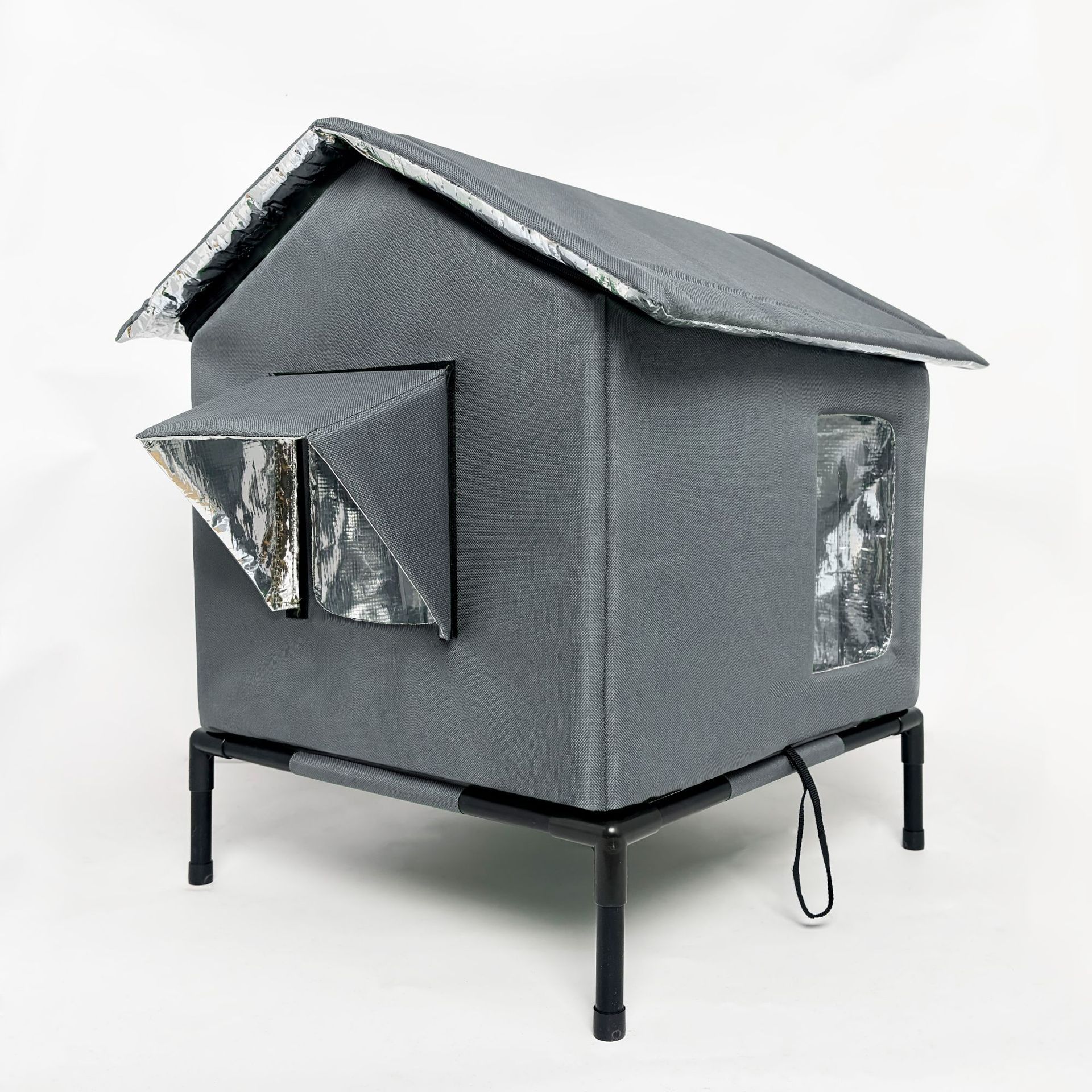
- Raised off the ground: keeps the floor from becoming cold and wet.
- Waterproof, windproof walls: and a small door that faces away from the wind.
- Straw bedding: straw stays drier than blankets, which absorb moisture and freeze.
Cold Weather Dangers
Common Winter Cat Mistakes
- Using blankets in outdoor shelters: they hold moisture and freeze.
- Making the shelter too big: bigger spaces are harder to keep warm.
- Leaving frozen water out: cats need unfrozen water daily.
- Ignoring antifreeze: a few licks can be fatal.
Frequently Asked Questions
How cold is too cold for a cat outside?
Below freezing is risky for most cats, especially young, old, or short-haired ones. Bring them in when possible.
Should I put heating pads in an outdoor house?
Only use products made for outdoor pet use and check the cord and weather rating. Insulation and straw are safer basics.
How can I tell if a cat is too cold?
Shivering, lethargy, cold ears and paws, and seeking out heat all signal that it is time to warm them up and call a vet.
What about feral or community cats?
Local rescue groups often provide shelter guidance and trap-neuter-return programs that help them stay healthy.
Quick Takeaways
Keep cats indoors in winter when you can. If they are outside, give them dry, insulated, raised shelter and unfrozen water.
Check under your car and knock on the hood before starting the engine, since cats sometimes shelter near warm engines. Antifreeze is extremely toxic and smells sweet, so wipe up spills quickly and store it securely. Bring cats inside when temperatures drop below freezing, and contact a vet if you notice shivering, pale or hard ears and paws, or lethargy.
Related Articles