Do Cats Prefer Running Water? A Guide to Pet Fountains and Hydration
Why Cats Often Drink Too Little
Cats descend from desert-dwelling ancestors that got most of their moisture from prey, so their thirst drive is naturally low. Cats that eat only dry food may take in much less water than they need. Low water intake is linked with urinary tract problems and kidney strain, so encouraging drinking is a smart habit.
Why a Fountain May Help
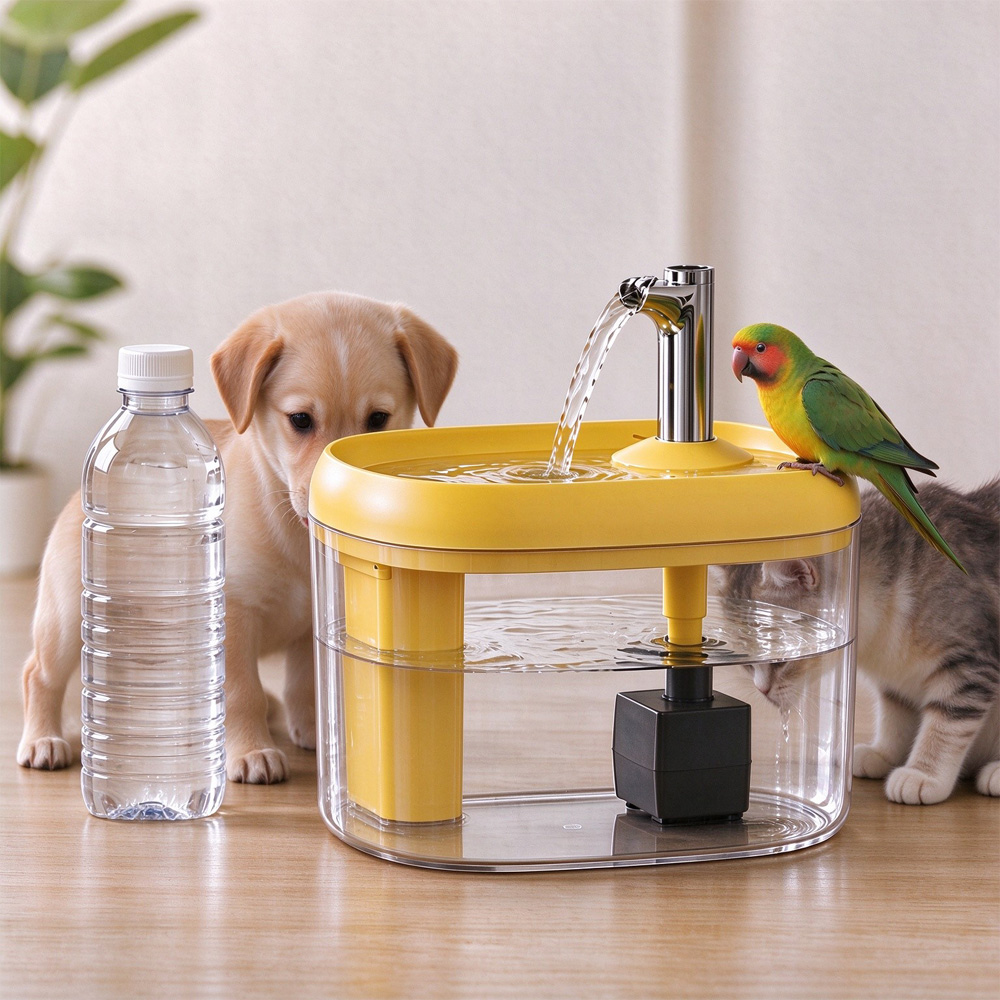
Many cats seem drawn to moving water. A fountain keeps water flowing and aerated, which can look and taste fresher. Some cats also avoid still water in a bowl placed next to their food. A fountain is not a guaranteed fix, but plenty of owners notice their cats drinking more once they switch.

Choosing and Using a Fountain
- Material: stainless steel and ceramic are easy to clean and less likely to hold odors than plastic.
- Quiet motor: a noisy pump can scare cats away.
- Filters: replace them on schedule to keep water clean.
- Capacity: a larger reservoir means fewer refills.
- Cord safety: route cords out of reach of chewers.
Other Ways to Boost Hydration
Common Fountain Mistakes
- Skipping cleaning: slime builds up in pumps and tubing.
- Forgetting filters: old filters stop working and can smell.
- Placing it by the litter box: cats prefer water away from toilet areas.
- Letting the reservoir run dry: the pump can burn out.
Frequently Asked Questions
How much water should a cat drink?
Roughly three to four ounces per five pounds of body weight per day, including water in food. Cats eating wet food drink less from bowls.
Are fountains good for dogs too?
Many dogs like them, and larger fountains keep water fresh for several pets.
How often should I clean a fountain?
Wash all parts with warm soapy water about once a week, and replace filters as the manufacturer recommends.
What if my cat is afraid of the sound?
Choose a quieter model, or run it at a lower flow, and keep a regular bowl available while your cat gets used to it.
Quick Takeaways
Moving water encourages many cats to drink, which supports urinary health. Keep the fountain clean, and call your vet about sudden changes in thirst.
Feeding wet food adds a lot of moisture to the diet. Place several water bowls around the house, away from the litter box and food. Wash fountains and bowls weekly. If your cat suddenly drinks far more than usual, or seems unwell, see your vet, because increased thirst can signal conditions such as diabetes or kidney disease.
Related Articles