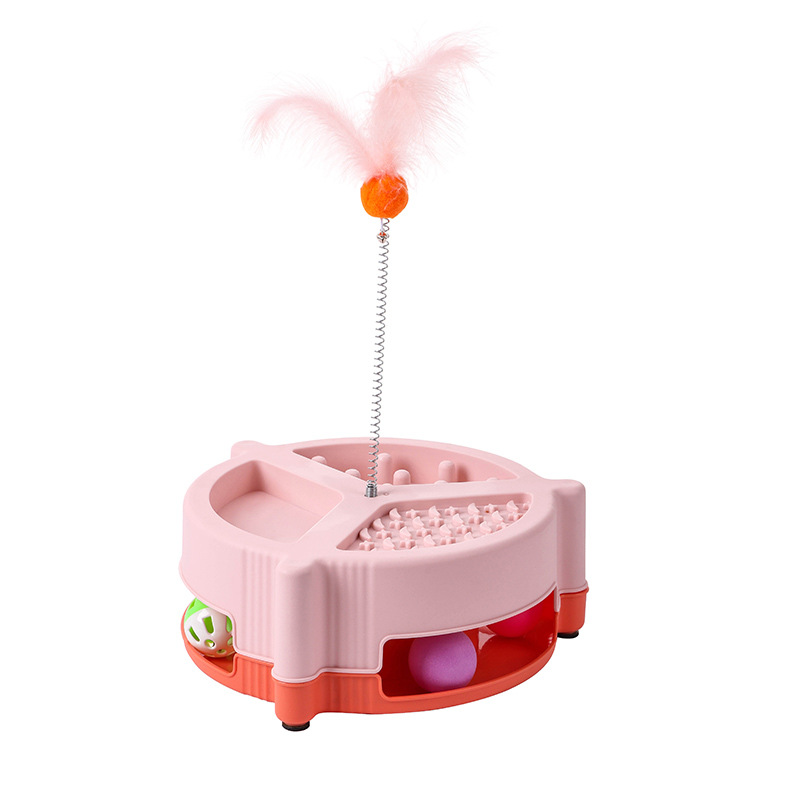
Slow Feeder Bowls for Cats: Stop the Gulp and Vomit Cycle
Why Cats Eat Too Fast
Fast eating is common in cats that live with other pets, cats that were once underfed, and cats that simply find food exciting. Eating quickly can lead to swallowed air, regurgitation, and an upset stomach. If it happens often, a slower mealtime is worth trying.
How Slow Feeders Help
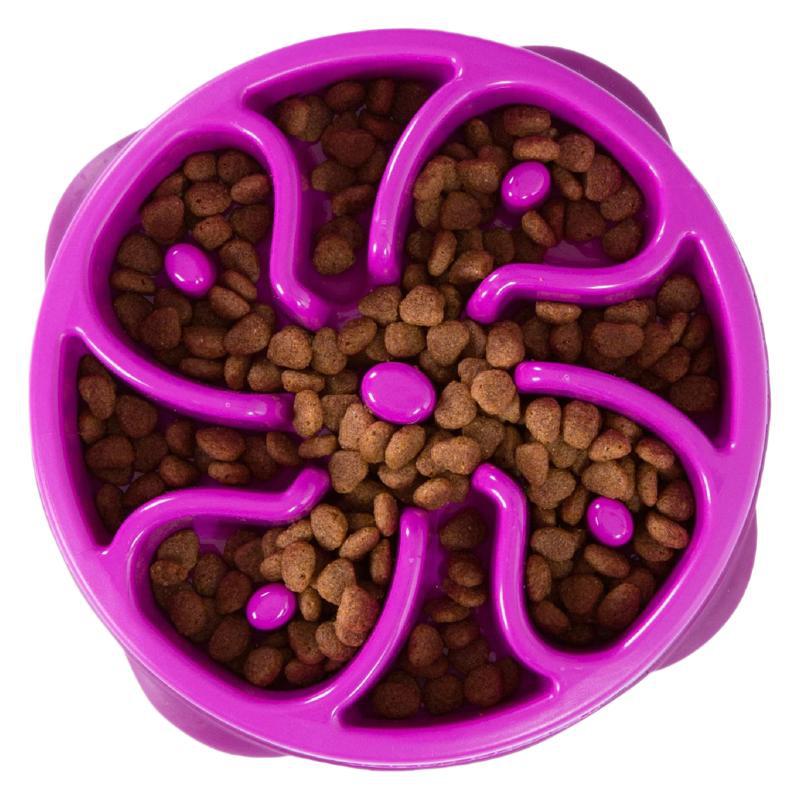
A slow feeder bowl has ridges, mazes, or raised shapes that make a cat work around obstacles to reach each bite. That spreads a meal over several minutes instead of seconds, and it adds a little mental stimulation too. Many cats treat it like a small puzzle.

Choosing a Bowl
- Shallow design: deep bowls can bother whiskers.
- Cat-sized obstacles: ridges that are too tall may frustrate your cat.
- Easy-to-clean material: food gets trapped in grooves, so choose a bowl you can scrub.
- Non-slip base: keeps the bowl in place.
Other Ways to Slow Down Meals
Try spreading dry food on a flat plate or in a puzzle toy, offer several small meals through the day, or hide portions around the house. In multi-cat homes, feed cats in separate rooms so nobody feels they must hurry.
When Vomiting Is a Problem
Common Slow Feeder Mistakes
- Choosing a maze that is too complex: your cat may give up and walk away.
- Using it for wet food without cleaning: residue spoils quickly.
- Forgetting to measure portions: slower eating does not change calories.
- Ignoring signs of illness: vomiting every day is not normal.
Frequently Asked Questions
Do slow feeders work for wet food?
Yes, with a shallow design. Press the food into the shapes so your cat must lick or scoop it out.
How long should a meal take?
There is no rule, but several minutes instead of seconds is a good sign.
Can kittens use slow feeders?
Yes, as long as the ridges are low and the kitten is eating enough.
Will it help with weight loss?
It can help cats feel fuller by slowing intake, but portion control and play matter more.
Quick Takeaways
A slow feeder turns dinner into a gentle puzzle. Combine it with measured portions and talk to your vet if vomiting continues.
Occasional regurgitation can be linked to fast eating, but frequent vomiting, weight loss, lethargy, or blood needs a vet visit. Hairballs, food sensitivities, and illness can look similar, so do not assume the bowl is the only cause.
Related Articles