Do Dogs Need Elevated Food Bowls? What the Research Says
Why People Use Raised Bowls
Elevated bowls can make eating more comfortable for dogs with arthritis, neck pain, or mobility problems, and they can keep food tidier. Owners with back pain also find them easier to fill.
The Bloat Concern
Gastric dilatation and volvulus, commonly called bloat, is a life-threatening emergency in deep-chested dogs. Some research has linked raised feeders to a higher risk in large and giant breeds, although the evidence is debated. For at-risk breeds such as Great Danes, Standard Poodles, and German Shepherds, ask your vet before using one.

When Raised Bowls May Help
- Dogs with arthritis or neck issues
- Dogs that have trouble bending to eat
- Seniors with mobility problems
- Small breeds that struggle with floor-level bowls
Reduce Bloat Risk
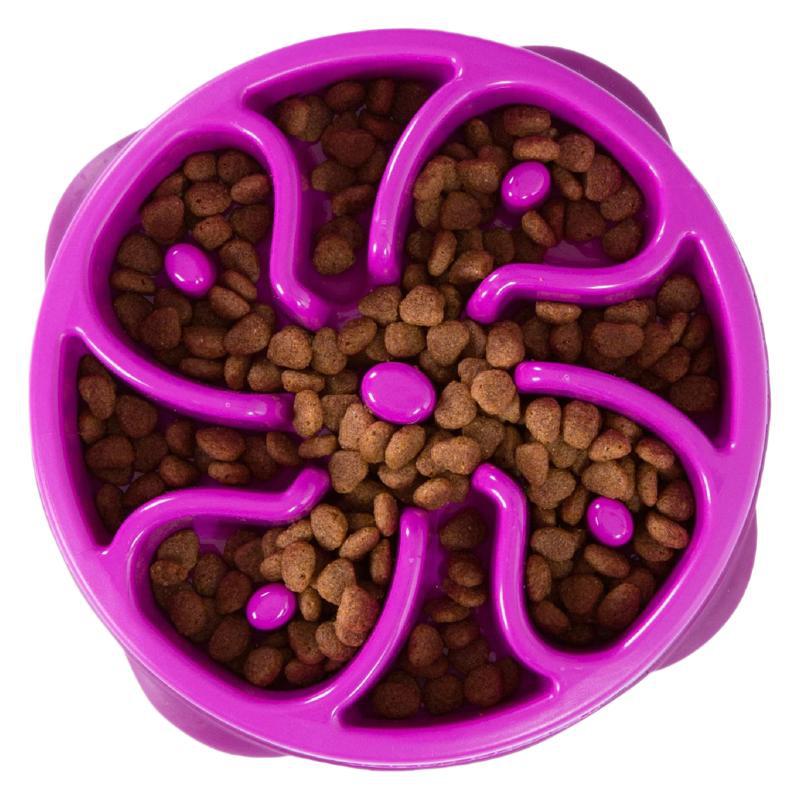
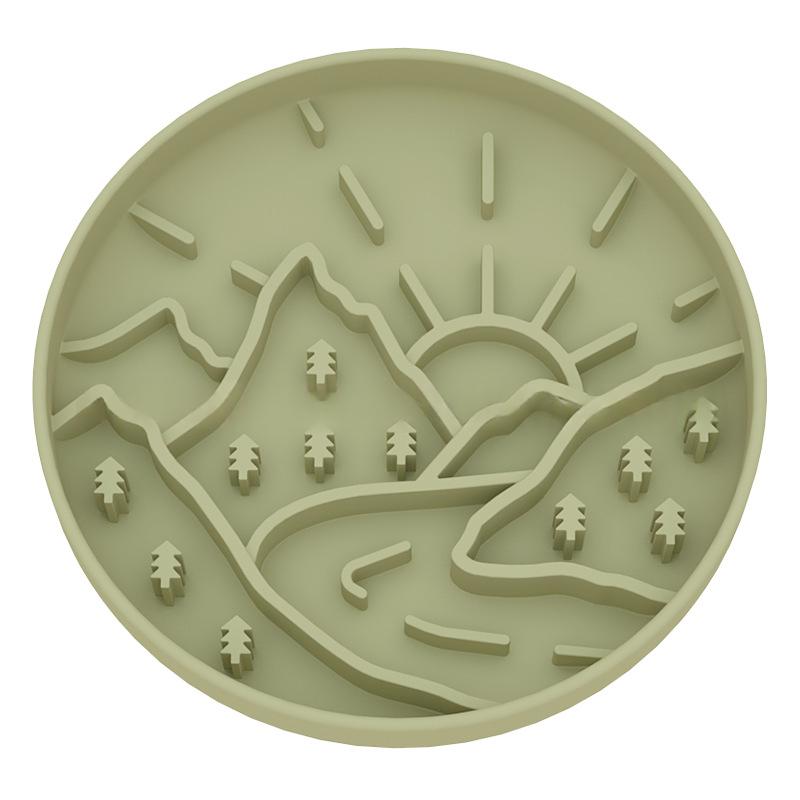
Feed two or three smaller meals rather than one large one, avoid vigorous exercise right before and after eating, and slow fast eaters with a slow-feeder bowl. Know the signs of bloat, including a swollen abdomen, retching without vomiting, and restlessness, and go to an emergency vet immediately if you see them.
Common Mistakes
- Raising bowls without checking breed risk: talk to your vet.
- Feeding one large meal: split into smaller meals.
- Letting dogs gulp: use slow feeders.
- Ignoring symptoms: bloat is an emergency.
Frequently Asked Questions
Is a raised bowl good for small dogs?
It can help some, but it is not necessary.
What height should it be?
About chest height for most dogs.
Can cats use elevated bowls?
Many do well with slightly raised dishes.
Quick Takeaways
Elevated bowls help some dogs but may not suit large breeds at risk of bloat. Ask your vet.
Shop feeding bowls in our feeding collection.
Related Articles