Dog Harness Sizing Guide: How to Measure and Check the Fit
Why Fit Matters
A harness that is too loose can slip off, and one that is too tight can rub, restrict movement, or cause discomfort. Dogs of the same weight can have very different shapes, so size by measurement rather than by breed or weight alone.
What to Measure
- Chest girth: measure around the widest part of the ribcage, just behind the front legs.
- Neck: measure where the collar sits, at the base of the neck.
- Weight: check the manufacturer's weight range as a secondary guide.
Use a soft tape measure and keep it snug but not tight. Measure twice if your dog squirms.

Check the Fit
- Two fingers should slide under every strap.
- The harness should not twist or sag to one side.
- Straps should not rub the armpits.
- Your dog should walk, sit, and lie down comfortably.
- The harness should not slip over the head when you gently pull the leash.
Front Clip or Back Clip?
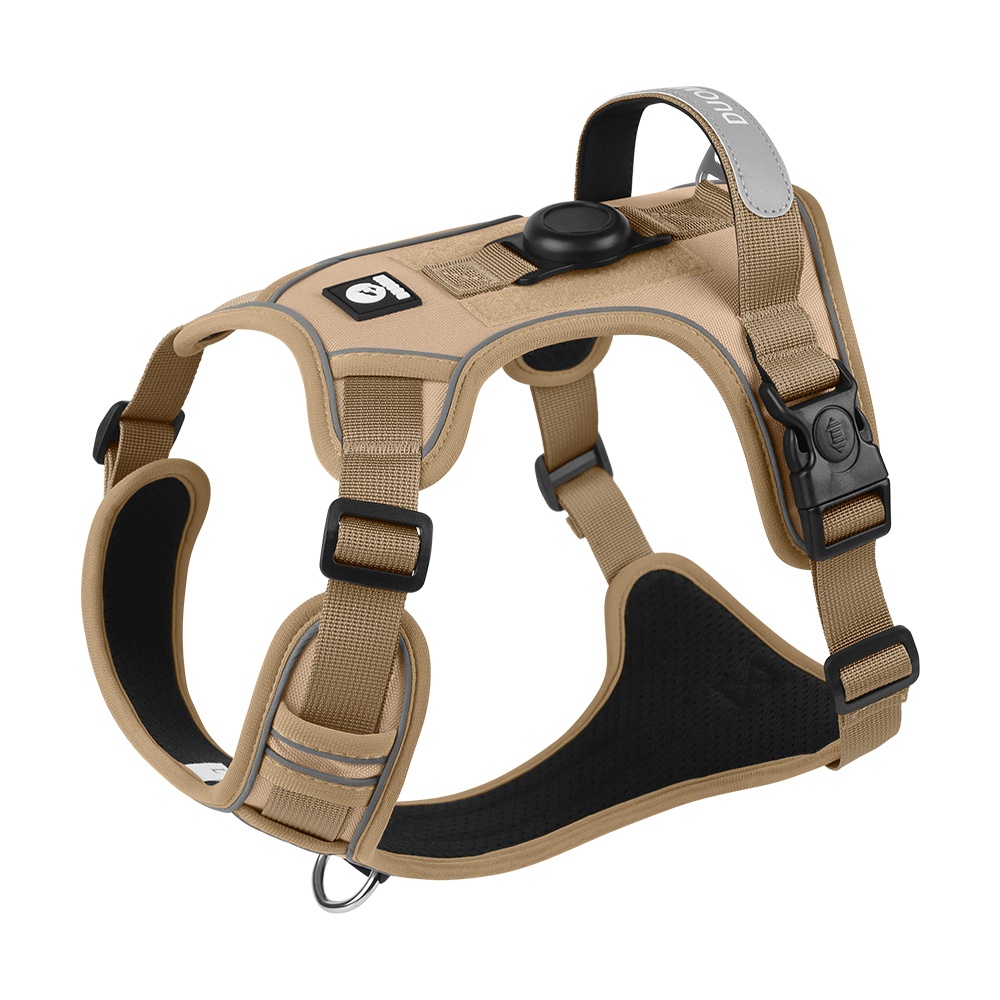
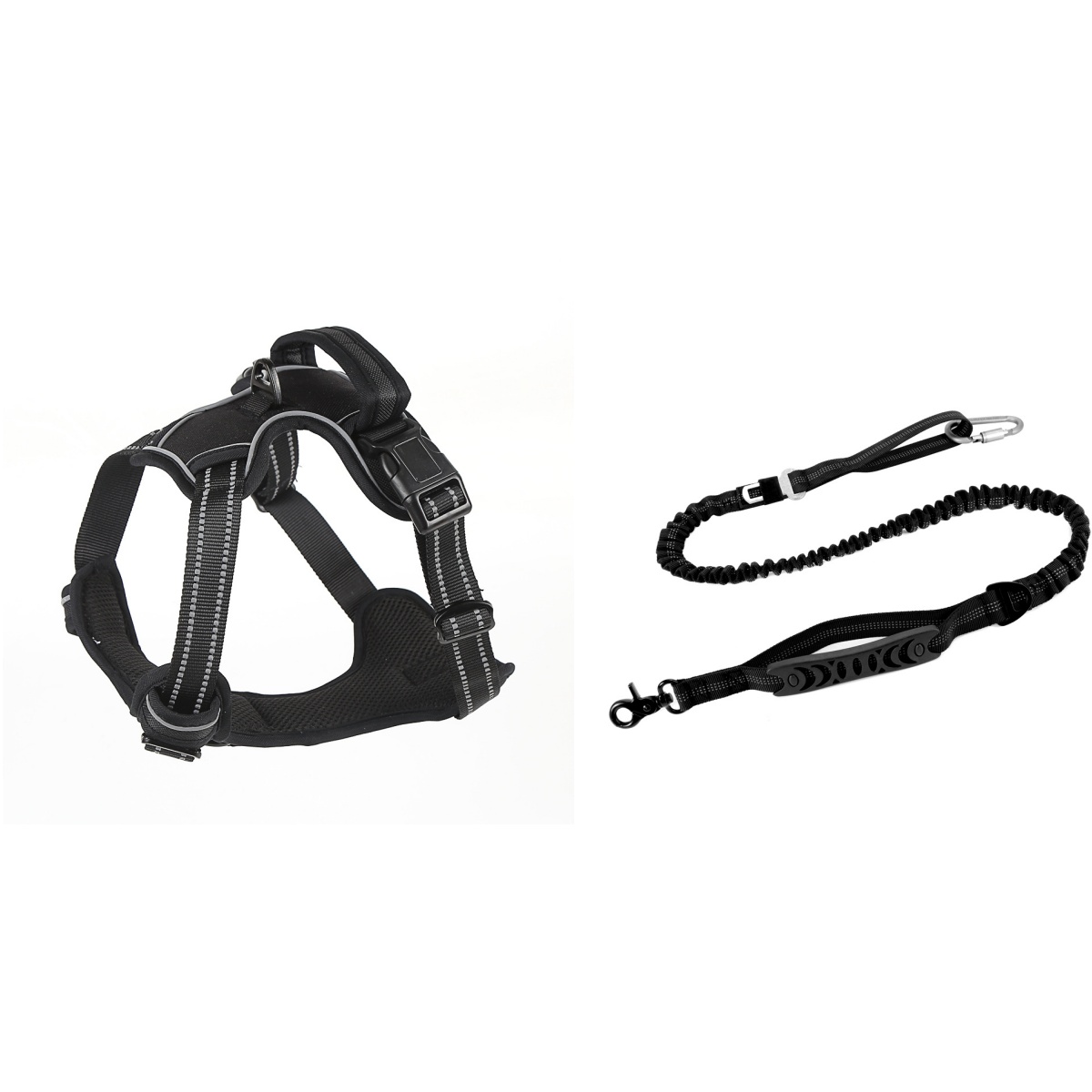
Back-clip harnesses are comfortable for calm walkers. Front-clip designs help reduce pulling by turning your dog toward you. Dual-clip harnesses give you both options for training.
Common Sizing Mistakes
- Sizing by weight only: body shape matters.
- Ignoring puppy growth: recheck the fit every few weeks.
- Leaving the harness on all day: rubbing can occur.
- Buying too big for growth: loose harnesses are unsafe.
Frequently Asked Questions
Should I size up between sizes?
If adjustable, choose the size where your measurement falls in the middle of the range.
Can my dog sleep in a harness?
It is better to take it off at night.
How often should I check the fit?
Every few weeks for growing puppies, and any time your dog's weight changes.
Quick Takeaways
Measure chest and neck, check the two-finger rule, and adjust as your dog grows.
Shop harnesses in our harness collection.
Related Articles