Dog Ramps for Cars and SUVs: Protecting Your Dog's Joints on Every Trip
Why Ramps Help
Hopping out of a high SUV puts stress on a dog's shoulders, back, and knees. Over time, this can contribute to injuries, especially in small dogs, long-backed breeds, and seniors. A ramp provides a gentle slope and reduces impact.
Ramp vs Stairs
- Ramps: suit dogs with joint pain and are good for most sizes.
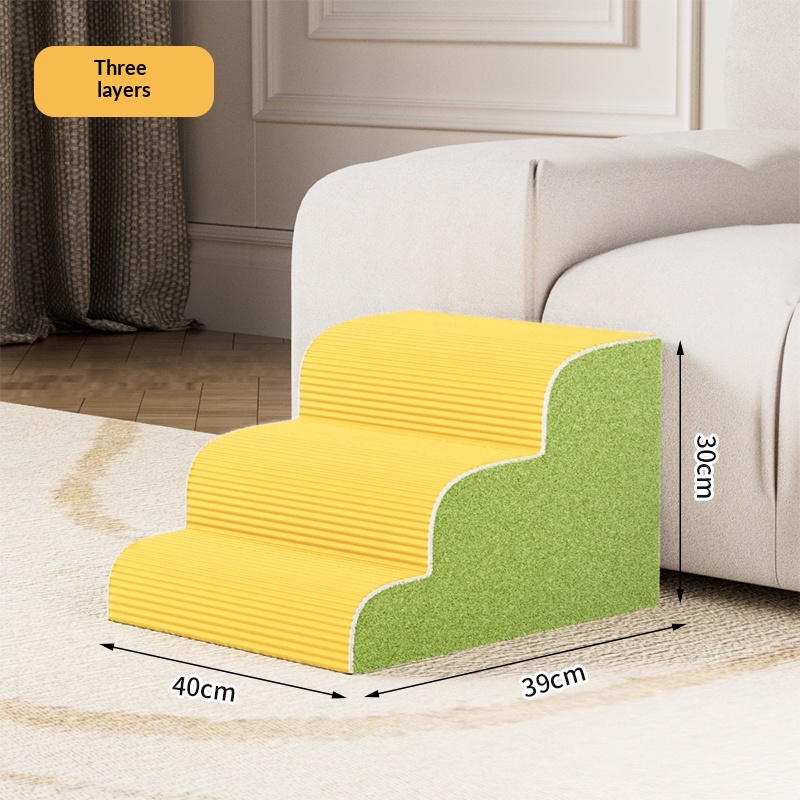
- Stairs: take less space but require your dog to climb steps.
- Telescoping ramps: extend to reach high vehicles and fold up for storage.

Features to Check
Choose a non-slip surface, side rails to prevent slipping off, and a weight capacity that fits your dog. Make sure the ramp length gives a gentle angle for your vehicle's height. Lightweight, foldable designs are easier to carry and store.
Training Your Dog
- Lay the ramp flat on the ground and reward your dog for walking on it.
- Raise one end a little and repeat with treats.
- Gradually increase the angle to the vehicle's height.
- Always supervise and keep your dog on a leash near traffic.
Be patient. Dogs that are nervous on ramps often need several sessions before they trust it.
Common Mistakes
- Placing the ramp on uneven ground: stability matters.
- Using a steep angle: it can be scary.
- Rushing training: let your dog explore.
- Forgetting the leash: keep your dog safe near roads.
Frequently Asked Questions
Can small dogs use ramps?
Yes, and they often benefit the most.
How long should the ramp be?
Longer ramps provide gentler slopes.
Are ramps good for arthritis?
They can reduce pain from jumping. Ask your vet about overall care.
Quick Takeaways
Ramps protect joints. Choose a stable, non-slip design and train patiently.
Explore travel gear in our travel collection.
Related Articles