Dogs and Kids: Safety Rules and How to Teach Children to Respect Pets
Supervision Is Essential
Many dog bites to children in the United States come from the family dog or a dog the child knows. Young children cannot read dog body language well, and dogs can be startled by sudden movements, noise, or rough handling. Always supervise interactions, and separate dogs and young children when you cannot watch.
Rules for Kids
- Do not hug, climb on, or ride the dog.
- Do not disturb a dog that is eating, sleeping, or chewing a toy.
- Ask permission before petting an unfamiliar dog.
- Pet gently on the chest or shoulder, not on the head.
- Stay calm and quiet around dogs.

Teach Dog Body Language
Show children warning signs that a dog is uncomfortable: yawning, lip licking, turning away, showing the whites of the eyes, a stiff body, growling, or tucking the tail. Teach them to give the dog space when they see these signs.
Give Your Dog a Safe Space
Provide a bed, crate, or gated area that is off-limits to children. Use toys and chews to keep your dog occupied and teach kids to leave a dog alone there.
Train Your Dog Too
Teach basic cues such as sit, stay, and leave it. Reward calm behavior around kids and get help from a trainer if your dog shows fear or guarding.
Common Mistakes
- Leaving kids and dogs alone together: always supervise.
- Ignoring warning signs: growling is communication.
- Letting kids pull ears or tails: teach gentle touch.
- Punishing growling: it can hide warning signals.
Frequently Asked Questions
At what age can kids help with dogs?
Young kids can help with simple tasks under supervision.
What breeds are best with children?
Temperament and training matter more than breed.
What should I do if my dog snaps at a child?
Separate them and consult a trainer or vet behaviorist.
Quick Takeaways
Supervise, teach respect, and give your dog space. Safe relationships last a lifetime.
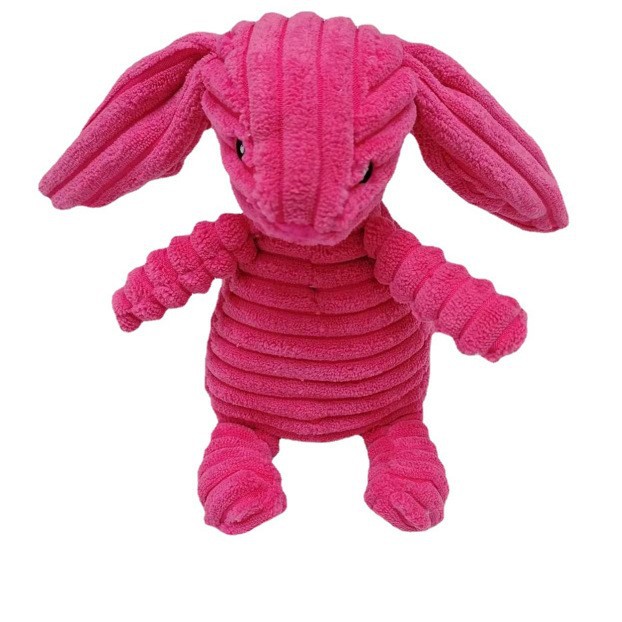
Shop dog toys in our toys collection.
Related Articles