How to Choose the Right Dog Collar: Types, Sizes, and Safety
Common Collar Types
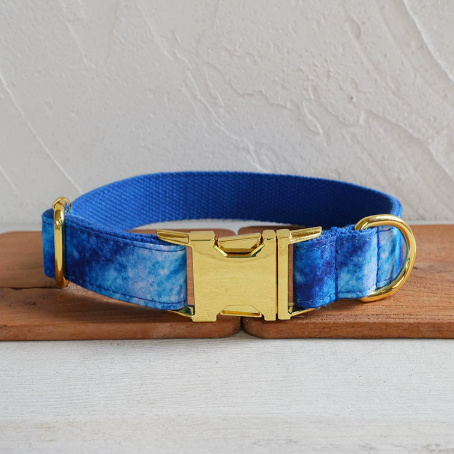
- Flat buckle collars: the everyday standard for ID tags and walks.
- Martingale collars: tighten slightly when a dog pulls, ideal for dogs with narrow heads such as Greyhounds.
- Breakaway collars: release under pressure and are mostly used for cats and unsupervised dogs.
- Chain and prong collars: not recommended for most owners, since they can cause injury.
How to Measure
Wrap a soft tape measure around the base of your dog's neck, where the collar naturally sits, and add about two inches for comfort. A properly fitted collar allows two fingers to slide between the collar and neck. If it slips over the head, it is too loose.

Materials and Style
Nylon is lightweight and easy to clean, leather lasts a long time, and biothane is waterproof. Choose a color or pattern that is easy to see and consider reflective stitching for night walks. Make sure hardware is strong and rustproof.
Do Not Forget ID
An ID tag with your phone number is one of the best ways to get a lost dog home. Many US states and cities also require a rabies tag and a license tag, so check your local rules.
Common Collar Mistakes
- Leaving it too loose: dogs can back out and escape.
- Leaving it too tight: it can cause skin irritation.
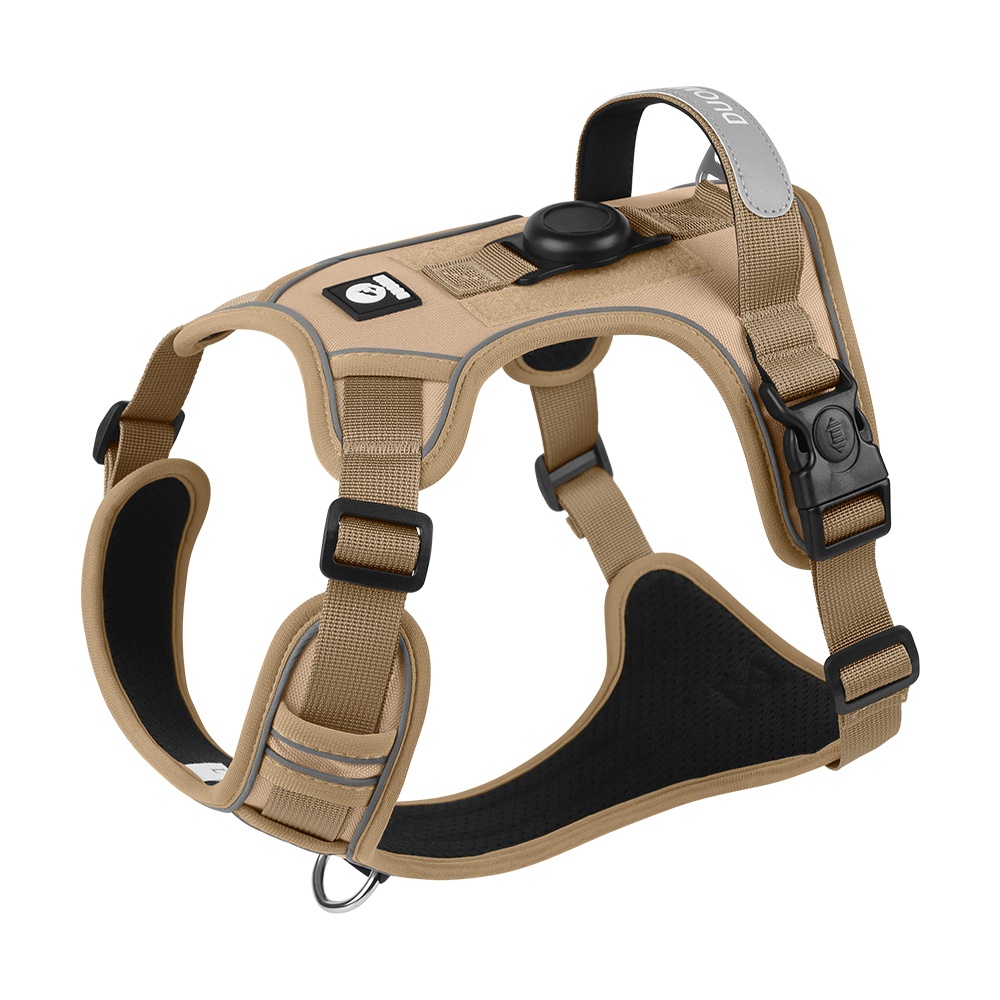
- Using the collar for strong pullers: a harness is safer.
- Forgetting to adjust for growth: check the fit often.
Frequently Asked Questions
Should my dog wear a collar all the time?
Many owners keep one on for ID, but remove it at bedtime if it jingles or in crates for safety.
Can collars cause hair loss?
Rubbing can wear fur. Choose a smooth, well-fitting collar.
How often should I replace a collar?
When it frays, fades, or the hardware weakens.
Quick Takeaways
Choose the right type, measure carefully, and always include ID. A good collar is a basic safety tool.
Shop collars in our collars and leashes collection.
Related Articles