Pet Barriers for Cars: Keeping Dogs in the Back and Drivers Focused
Why Use a Barrier?
Dogs that wander into the front can block your view, interfere with pedals, or be injured by airbags. Distracted driving is a leading cause of crashes in the United States, and pets are a common distraction. A barrier keeps your dog in the back or cargo area.
Barrier Types
- Headrest-mounted barriers: adjustable panels that fit between the seats.
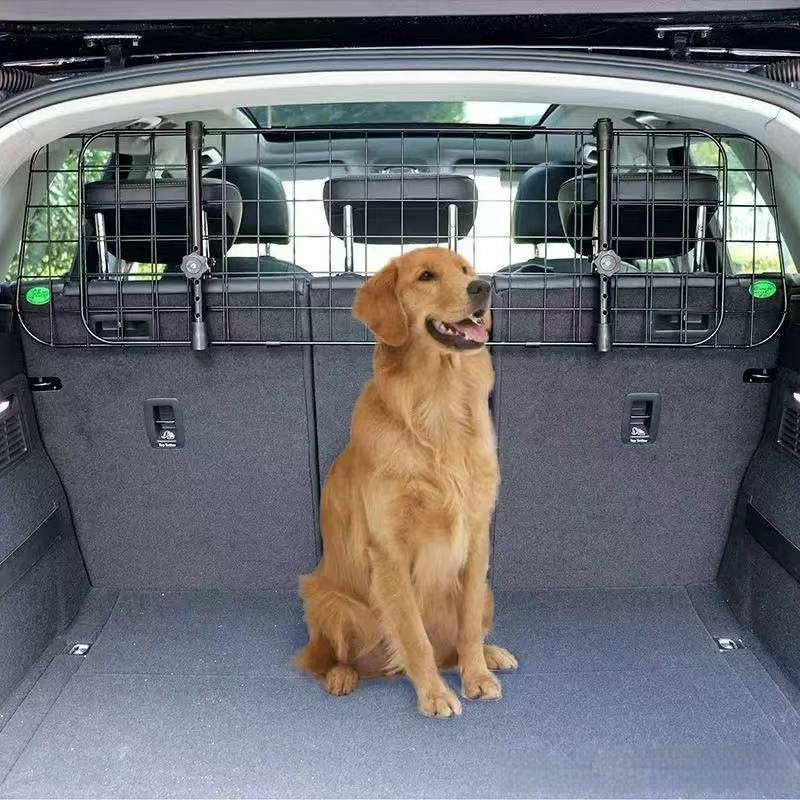
- Cargo area dividers: metal or mesh panels that separate the trunk from the cabin.
- Net barriers: flexible and lightweight for light-duty use.
- Pet gates for vehicles: freestanding frames that block the gap.

Choosing the Right One
Measure the space between your seats or cargo area. Look for sturdy, adjustable designs with padded edges to protect the vehicle. Check that the barrier does not rattle and does not block your rear view.
Barriers Are Not Restraints
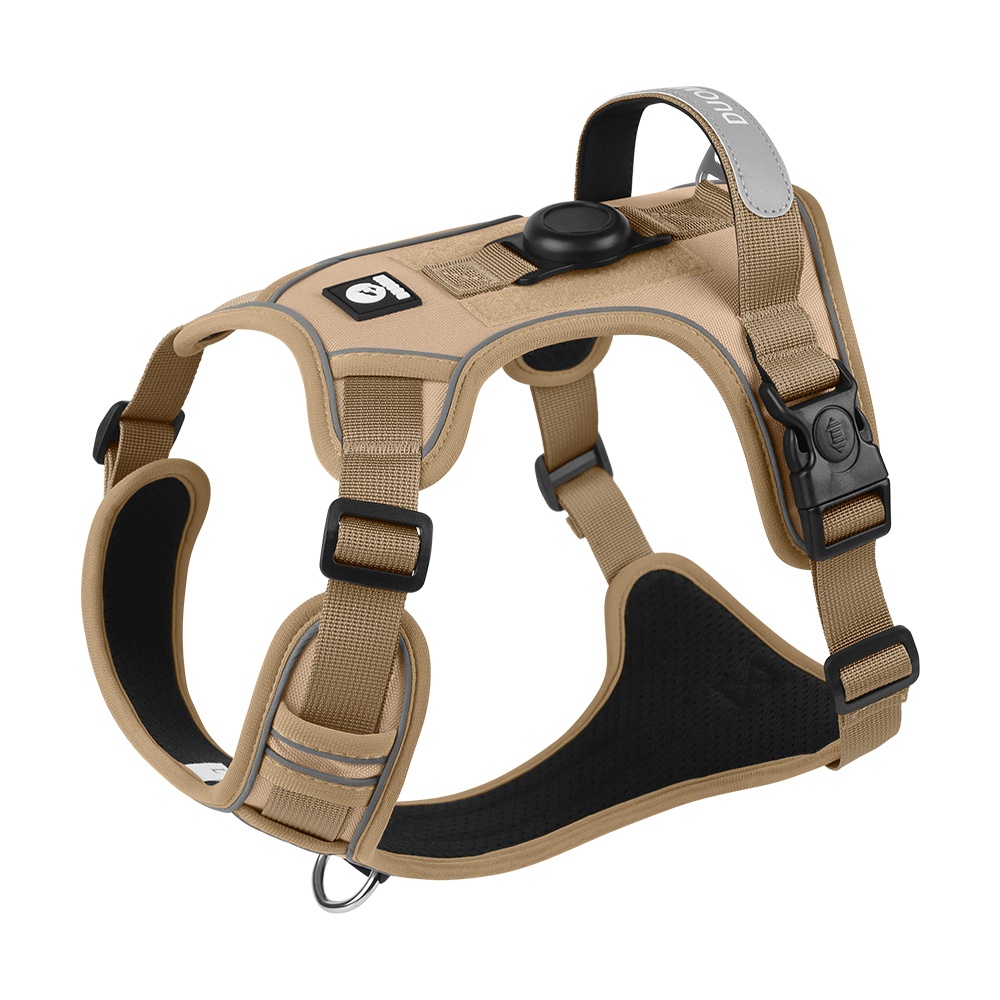
A barrier keeps your dog in a zone, but it does not protect them in a crash. For maximum safety, also use a crash-tested harness or a secured crate. Never let a dog ride in the cargo area without a secure barrier or crate.
Common Mistakes
- Using a loose barrier: make sure it is firmly installed.
- Relying on a barrier for crash protection: it is not a restraint.
- Blocking visibility: check your view before driving.
- Skipping training: teach your dog to stay in place.
Frequently Asked Questions
Will a barrier fit all vehicles?
Check dimensions and mounting types.
Can small dogs squeeze through?
Choose a barrier with small gaps.
How do I train my dog to stay behind it?
Reward your dog for staying in the back and use a mat as a target.
Quick Takeaways
A barrier helps prevent distractions. Combine it with a harness or crate for crash safety.
Shop travel gear in our pet furniture collection.
Related Articles