Pet Care Tips
September 18, 2026
Picky Eater Dog? Reasons Dogs Refuse Food and What Actually Helps
Rule Out Health Problems First
Dental pain, stomach upset, infections, and other illnesses can all reduce appetite. If your dog suddenly stops eating, seems lethargic, vomits, or has diarrhea, call your vet. Persistent appetite loss for more than a day or two needs a veterinary check.
Common Non-Medical Causes
- Too many treats or table scraps
- Stress from moving, travel, or new pets
- Hot weather lowering appetite
- A boring or stale diet
- Free-feeding with food always available

Strategies That Help
- Set a feeding window: offer food for 15 to 20 minutes, then remove it.
- Cut back on treats: hungry dogs eat meals.
- Warm the food: heating wet food can boost smell.
- Add a topper: a spoonful of wet food or low-sodium broth.
- Exercise before meals: activity stimulates appetite.
Keep Mealtime Positive
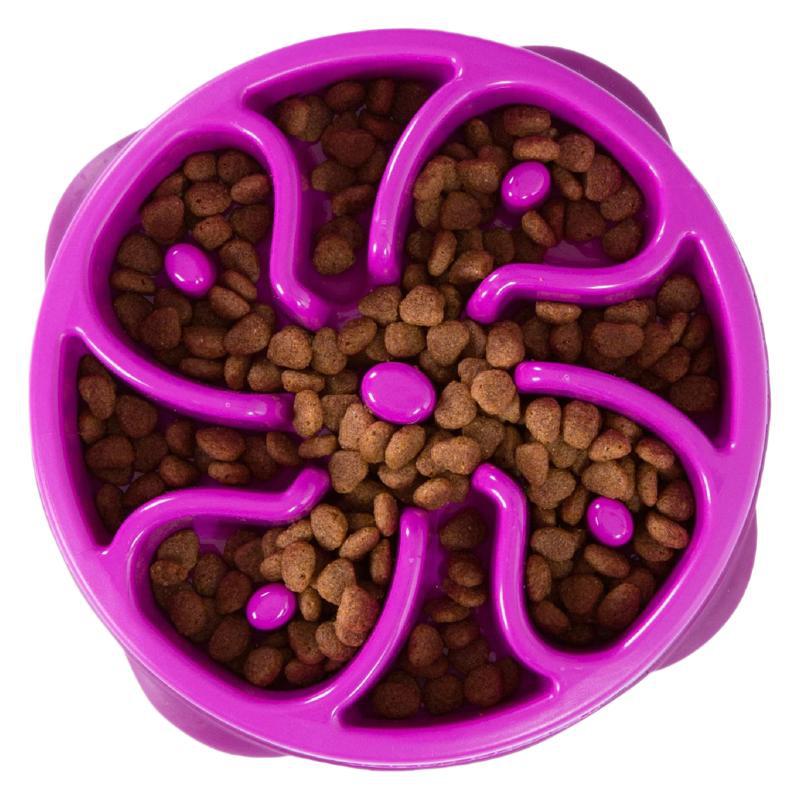
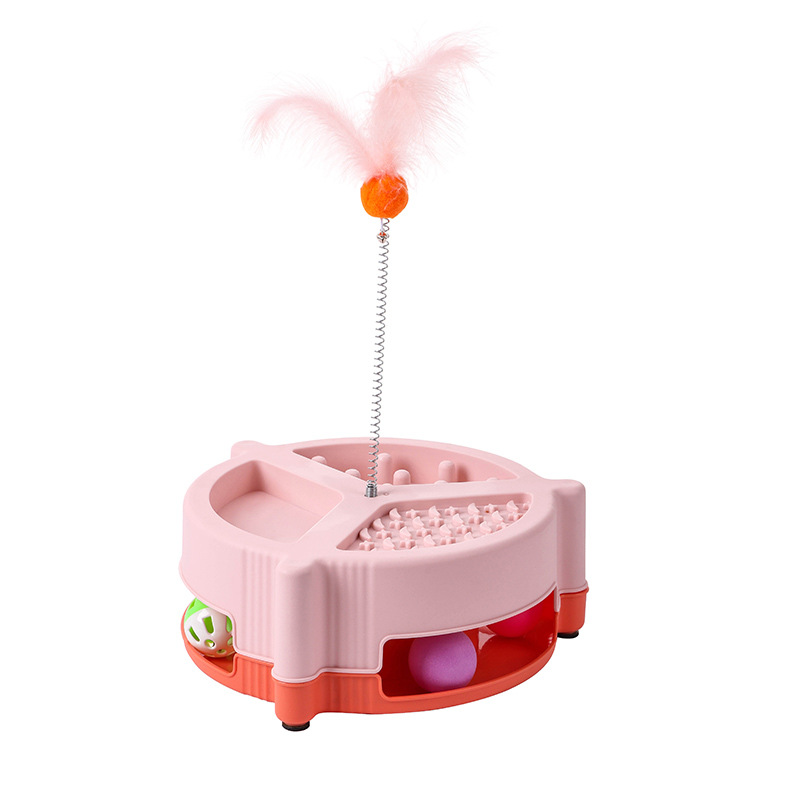
Avoid hovering, coaxing, or hand-feeding every meal, which can reinforce fussiness. Use a non-slip mat and a calm feeding spot, and try a slow feeder or puzzle bowl to make dinner more interesting.
Common Mistakes
- Changing foods constantly: it teaches dogs to hold out.
- Adding too many extras: unbalanced diets result.
- Ignoring sudden changes: call the vet.
- Giving in with treats: it reinforces picky behavior.
Frequently Asked Questions
How long can a dog go without eating?
Healthy adults may skip a meal, but more than a day deserves a vet call.
Is my small dog just spoiled?
Some small dogs are fussy, but rule out health issues first.
Can stress cause appetite loss?
Yes. Provide calm routines.
Quick Takeaways
Rule out medical issues, set routines, and keep mealtime consistent.
Shop feeding mats in our feeding collection.
Related Articles