Pool and Backyard Safety for Dogs: Swimming, Chemicals, and Shade
Pool Safety Basics
Not all dogs can swim, and even strong swimmers can tire or panic. Never leave a dog unsupervised near a pool. Teach your dog where the steps are and practice exiting, since many drownings happen when dogs cannot find the way out. A pool fence or cover adds an extra layer of protection.
Chemical and Water Hazards
- Chlorine and salt can irritate skin and stomachs if swallowed.
- Rinse your dog with fresh water after swimming.
- Do not let dogs drink pool water.
- Store pool chemicals securely.
- Avoid ponds and lakes with blue-green algae, which can be fatal.

Shade and Cool Spots
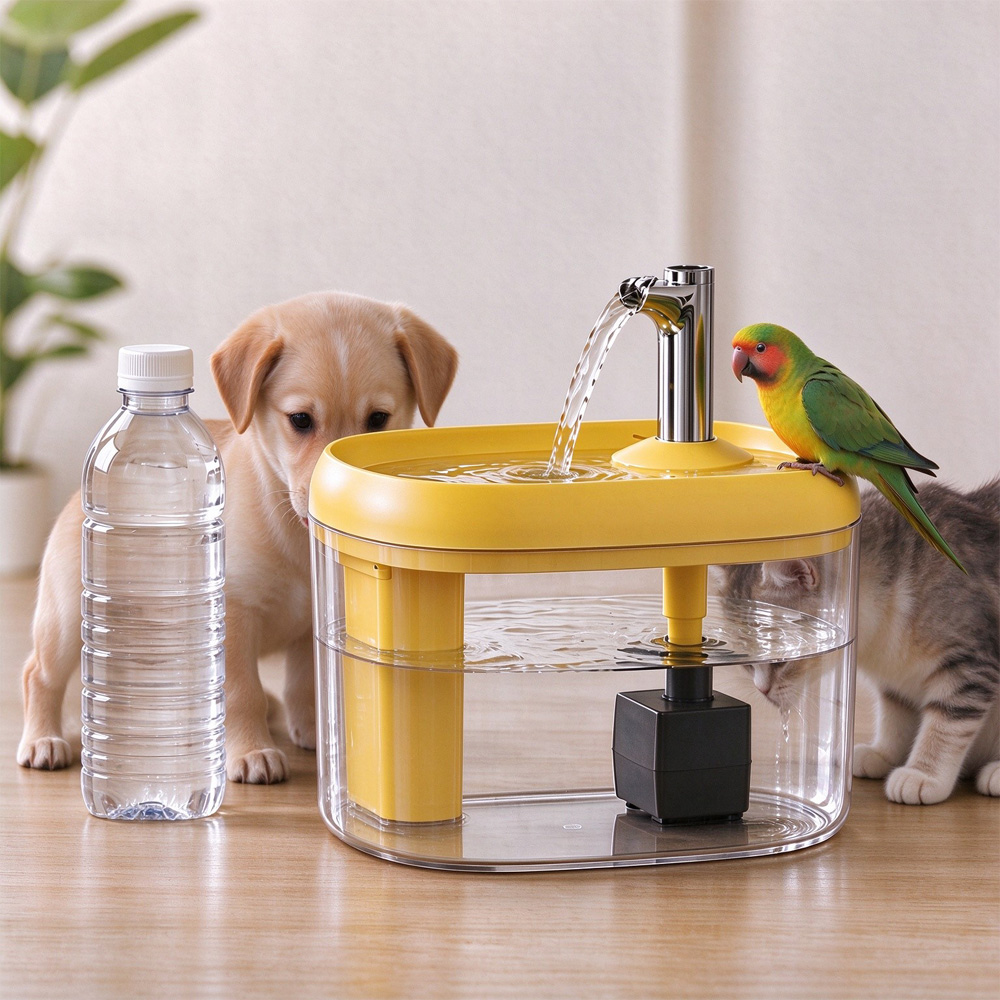
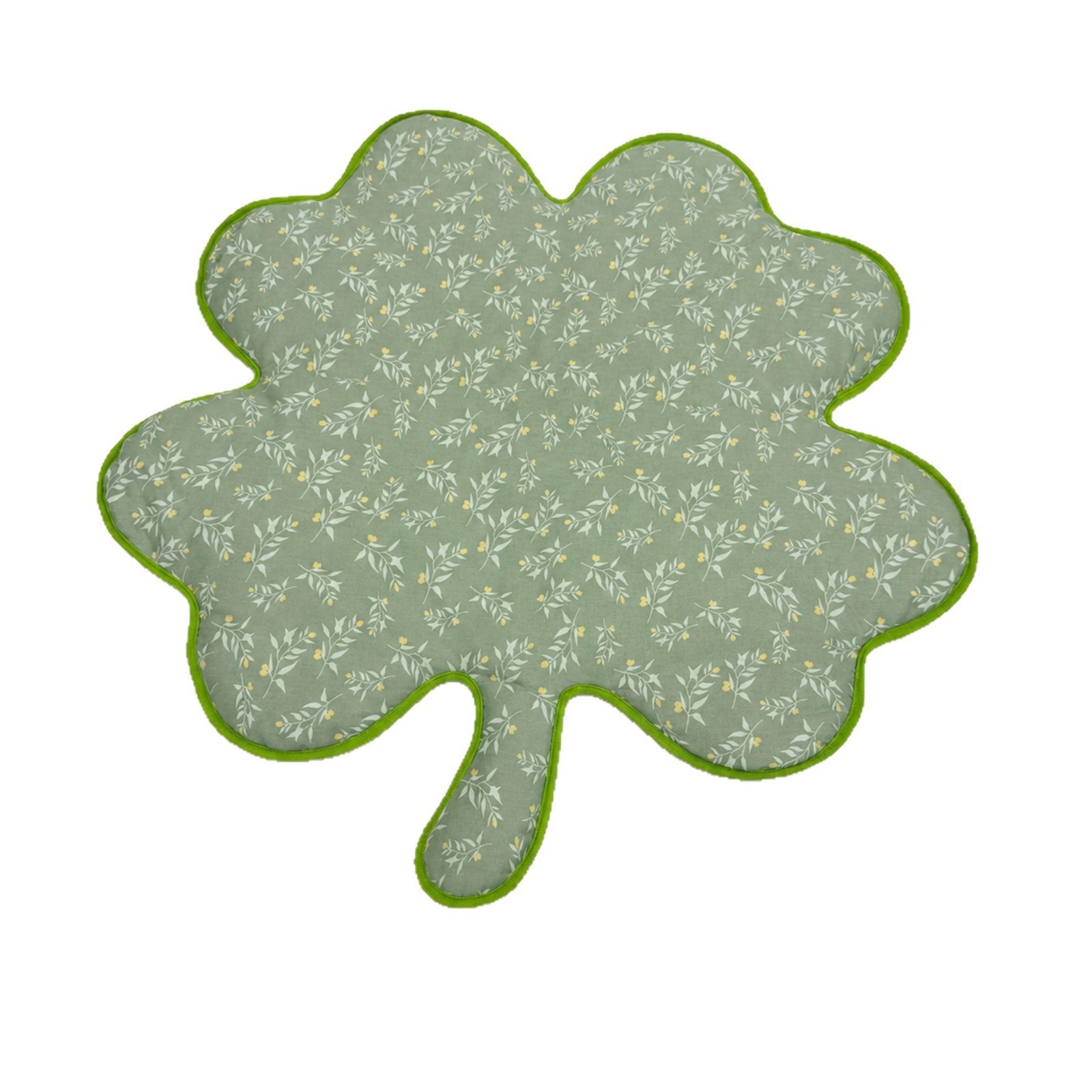
Provide shaded areas, fresh drinking water, and a cool place to rest. Hot patios and decks can burn paws. Offer a cooling mat or a shallow kiddie pool as an alternative to the main pool.
Backyard Hazards to Check
Check fences for gaps, remove toxic plants, and keep fertilizers and pesticides locked away. Compost piles can contain mold toxic to dogs. Keep grills and fire pits off-limits, and sweep up fallen fruit that can ferment and attract insects.
Common Mistakes
- Assuming every dog can swim: test in shallow water first.
- Leaving dogs outside in heat: bring them in.
- Letting dogs drink pool water: it can upset stomachs.
- Skipping life vests: consider one for non-swimmers.
Frequently Asked Questions
How can I teach my dog to find the steps?
Guide your dog to the steps repeatedly with treats.
Is salt water safer?
Both can irritate. Rinse afterward.
What are signs of water intoxication?
Vomiting, lethargy, and bloating. See a vet immediately.
Quick Takeaways
Supervise, teach pool exits, and provide shade. Summer fun should be safe fun.
Shop summer mats in our pet beds collection.
Related Articles