Spring Allergies in Dogs and Cats: Pollen Season Tips for US Pet Owners
Pets Get Pollen Allergies Too
Seasonal allergies are common in dogs and cats, and spring pollen from trees and grasses is a frequent trigger across the United States. Unlike people, pets often show allergies through their skin rather than sneezing.
Signs of Allergies
- Itching and scratching, especially the face, ears, and belly
- Licking or chewing paws
- Red, irritated skin or hot spots
- Ear infections or head shaking
- Watery eyes and occasional sneezing

Reduce Pollen Exposure
- Wipe your pet's paws and coat after outdoor time.
- Bathe with a gentle, vet-approved shampoo as directed.
- Wash bedding weekly in hot water.
- Vacuum frequently and use air purifiers.
- Walk when pollen counts are lower, usually after rain.
When to See Your Vet
Chronic scratching can lead to skin infections. Your vet can recommend treatments such as medicated shampoos, antihistamines, special diets, or prescription medications, and can test for other causes such as fleas or food allergies. Never give human allergy medicine without veterinary guidance.
Common Mistakes
- Assuming itching is just a habit: it may be allergy.
- Using human medication: some ingredients are dangerous.
- Over-bathing: it can dry skin.
- Ignoring paws: pollen collects between toes.
Frequently Asked Questions
Can allergies be cured?
They can be managed. Allergy testing and immunotherapy may help.
Which breeds are prone to allergies?
Many breeds, including Bulldogs, Retrievers, and Terriers.
How can I tell allergy from fleas?
Check for fleas and ask your vet to confirm.
Quick Takeaways
Wipe, wash, and talk to your vet. Allergy care starts with reducing exposure.
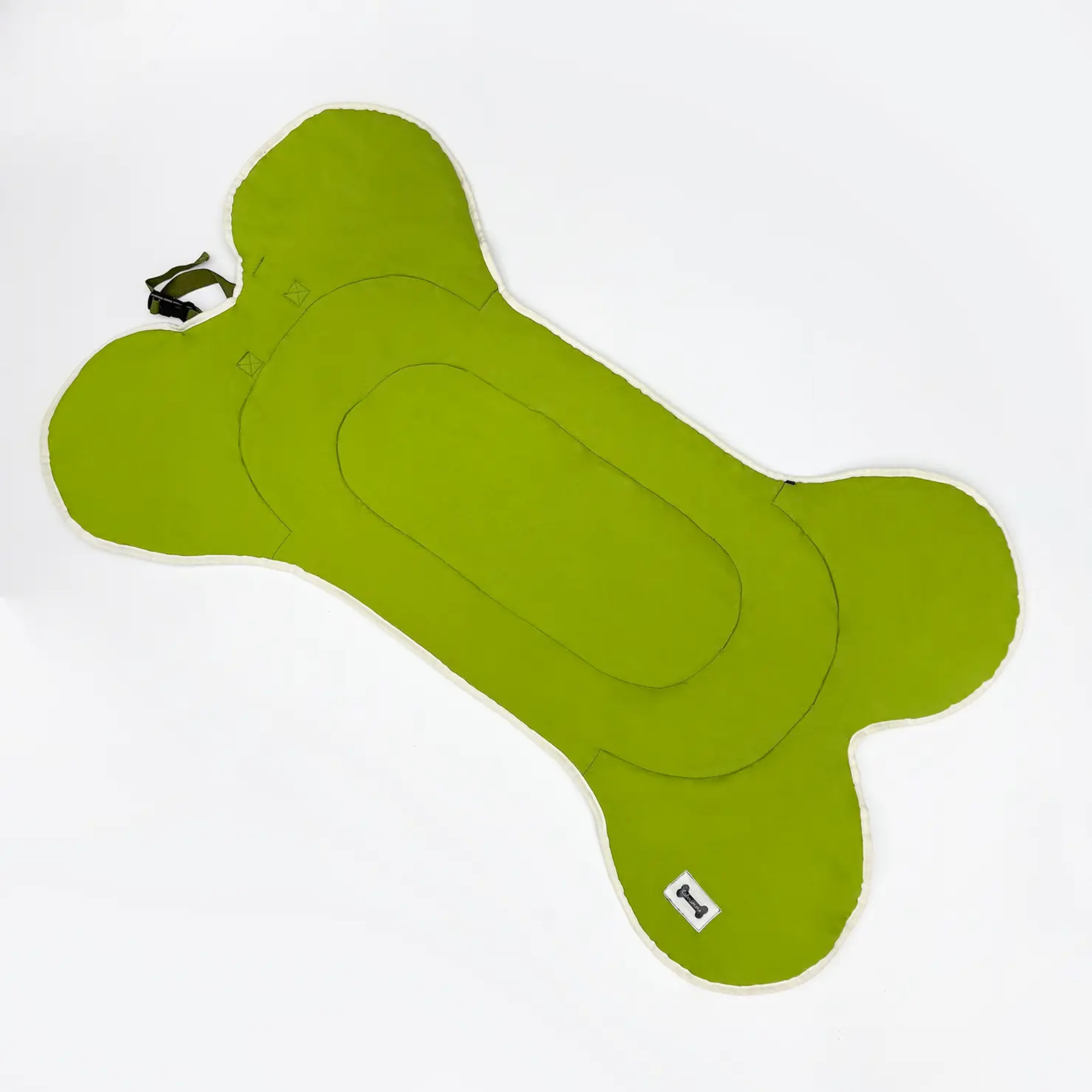
Shop washable mats in our pet beds collection.
Related Articles